Signs It Is Time to Replace Your Old Garden Shed
When to Replace Your Old Garden Shed in Dublin
Most garden sheds give years of service, but there comes a point where patching them up stops making sense. Knowing when to replace your old garden shed saves money on repairs that will not last and protects the bicycles, tools and garden equipment stored inside. This article sets out the practical signs that a shed has reached the end of its useful life, from a rotten shed floor to a leaking shed roof, and explains what to think about when choosing its replacement.
Late October and November are a good time to look at this. The first heavy rain and wind of the autumn show up every weak point in an ageing shed, and anything stored inside will spend the next five months in damp, cold conditions. A shed that is already struggling in October rarely improves over an Irish winter.
Damp and Water Getting In
Water is the main enemy of any garden building. Once it starts getting in regularly, the damage spreads to the structure and to the contents. A small drip may seem harmless, but it usually points to a problem that is getting worse.
A leaking shed roof
On older timber sheds the roof is usually bitumen felt laid over thin boards or chipboard. Felt becomes brittle with age, cracks along the ridge and edges, and lifts in strong wind. Moss holds water against the surface and speeds up the decay. Re-felting is a reasonable repair if the boards underneath are sound. If the roof boards are soft, bowed or stained right through, the water has been getting in for some time and the roof structure itself needs replacing.
Damp in the shed and mould on the contents
Signs of damp in the shed include a musty smell, mould on cardboard boxes, rust on tools and mildew on cushions or stored garden furniture. Condensation forms when warm, moist air meets a cold surface, and an old shed with poor ventilation and wet timber holds that moisture. If items stored inside are being damaged every winter, the shed is no longer doing its job.
A Rotten Shed Floor and Weak Base
The floor and base take more punishment than any other part of a shed. Timber floors that sit close to wet ground soak up moisture from below, and the bearers underneath are often the first to fail. A rotten shed floor is one of the clearest signs that replacement is due.
Check for these signs at floor level:
- Boards that feel soft, spongy or flex underfoot, especially near the door where traffic is heaviest.
- Dark staining or crumbling timber along the bottom edges of the walls.
- Gaps between the floor and wall panels where the frame has dropped.
- A shed that rocks slightly or sits lower at one corner than the others.
- Standing water around the shed after rain because the ground or base has settled.
Rot at the base usually travels upwards into the wall framing. Replacing a few floor boards does not fix rotten bearers or wall bottoms, and lifting the whole shed to repair the base is often more work than the building is worth. A new shed also gives you the chance to put in a proper level base, which is the foundation for everything that follows.
Doors, Walls and Security Problems
A shed is only as secure as its weakest part. As timber ages and the frame moves, the door and walls are usually where the trouble shows first.
Doors that stick or will not close
When the frame of a shed drops or twists, the door no longer lines up with its opening. It may drag on the floor, need to be lifted to close, or leave a gap at the top or side. Hinges pull out of soft timber and screws stop holding. Planing the door or moving the hinges can buy some time, but if the cause is a frame that is out of square, the problem will return.
Gaps, splits and loose cladding
Look for daylight showing between wall boards, split or warped cladding, and panels that have pulled away from the frame. Every gap lets in rain, wind and pests, and it also weakens security. An old shed with soft timber and loose fixings is easy to force open, which matters when it holds bicycles, a lawnmower or power tools. If you have to add extra locks and bars to make an old shed feel secure, the walls and frame are probably the real weak point.
Repair or Replace a Shed
Not every tired shed needs to come down. The decision to repair or replace a shed depends on how far the damage has spread and how much of the original structure is still sound. A useful rule is to look at the frame, base and roof structure first, because these are the parts that hold everything else together.
Repair usually makes sense when:
- The problem is limited to one area, such as worn felt on an otherwise sound roof.
- The floor bearers and wall framing are firm and dry.
- The shed is still the right size and in the right place for your needs.
Replacement is usually the better choice when:
- Rot affects the base, floor and lower walls at the same time.
- The roof structure, not just the covering, has failed.
- You are repairing the same problems every autumn.
- The shed is too small for what you now need to store, or the door is too narrow for a mower or bicycles.
Size is often overlooked. Many older sheds were bought for a few garden tools and are now asked to hold bikes, garden furniture, a barbecue and household overflow. If items are stacked against the walls and you cannot reach the back, a larger shed with a wider door may serve you better than repairing a building that no longer fits the job.
Choosing a Replacement Steel Garden Shed
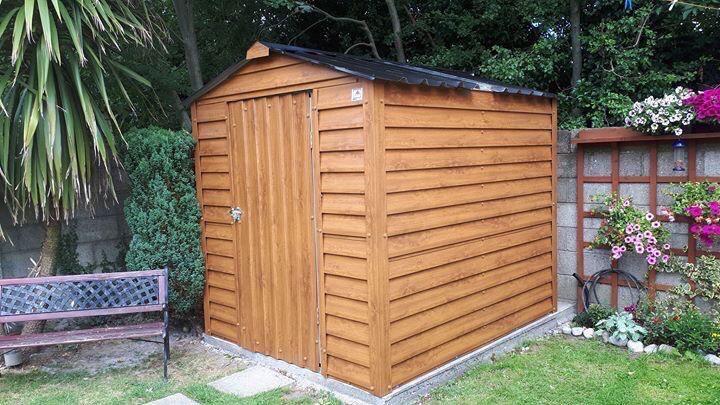
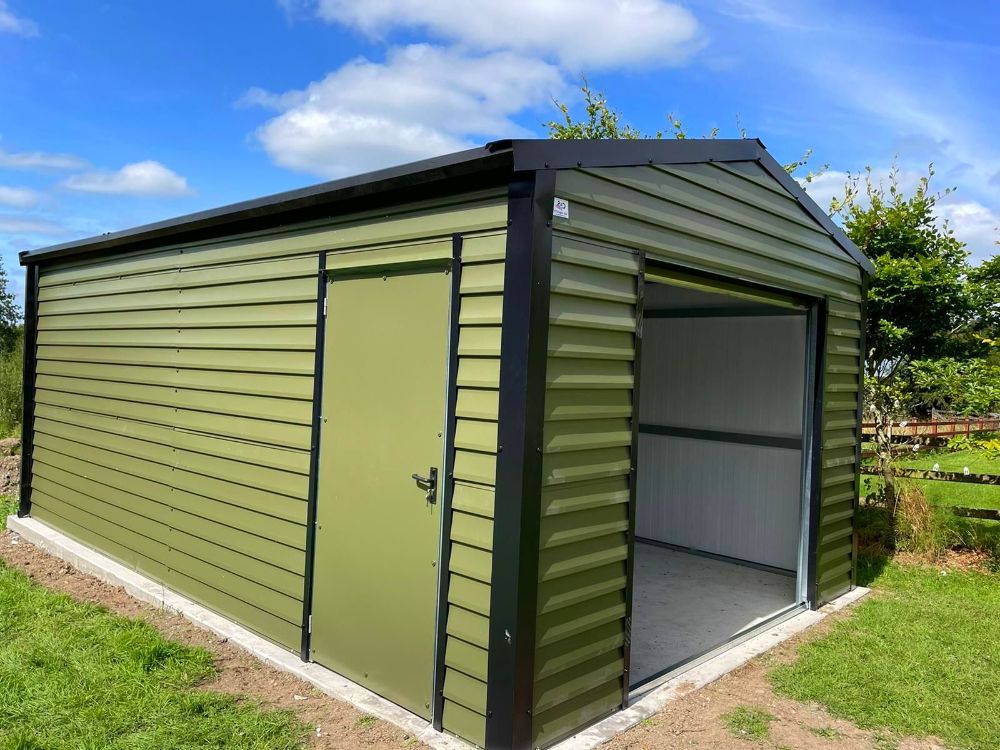
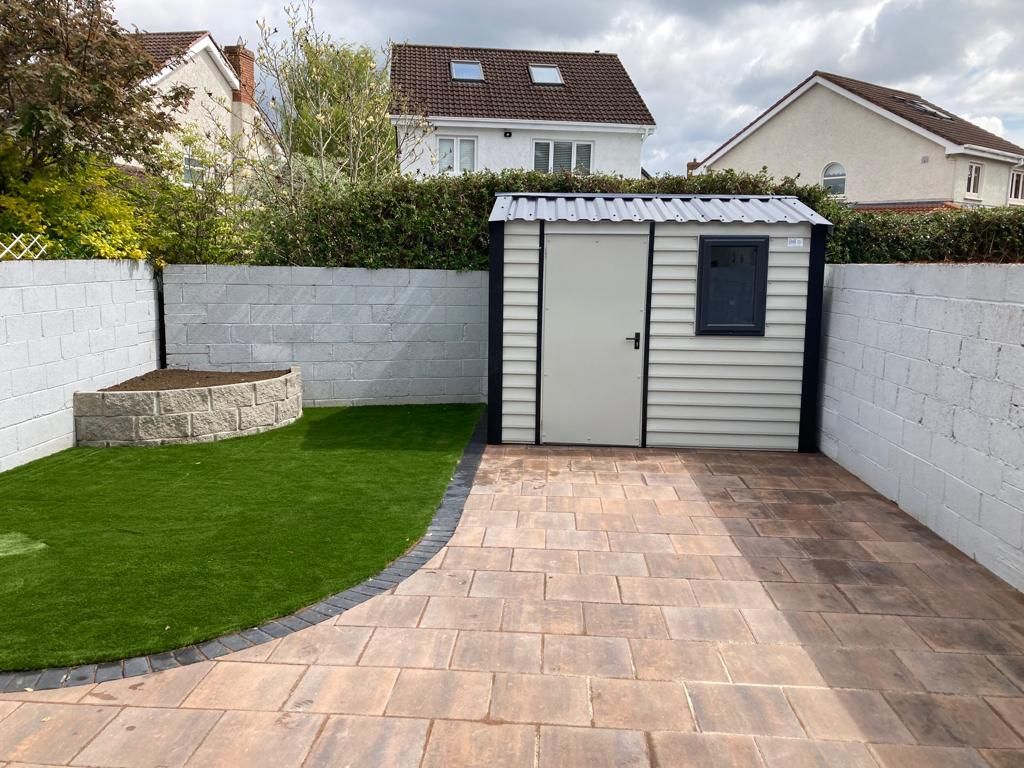
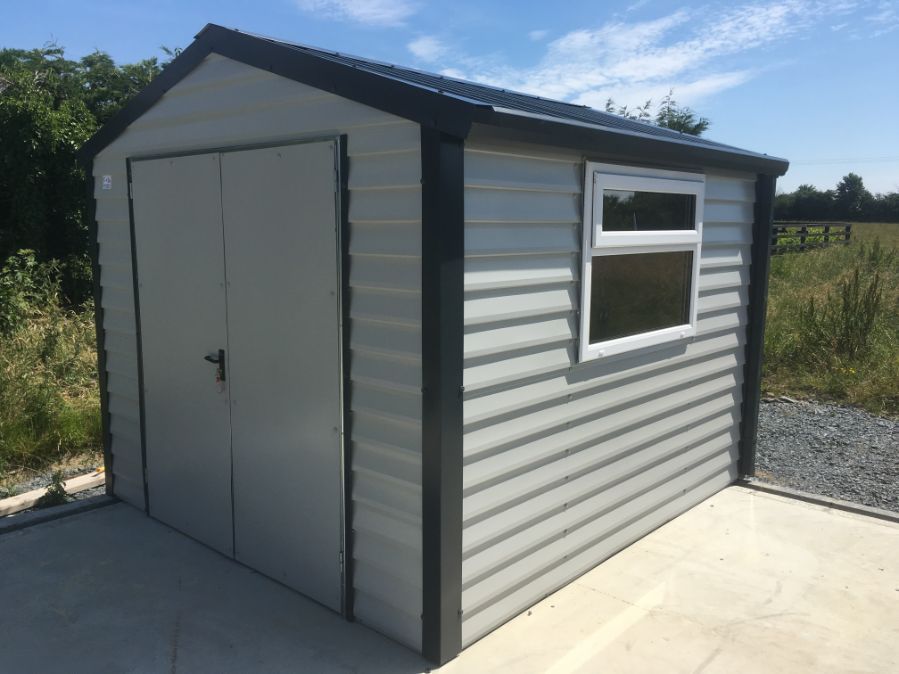
When an old timber shed has failed through rot and damp, it is worth considering a different material for its replacement. A steel garden shed does not rot, does not need regular staining or re-felting, and holds its shape in wet and windy weather. That makes it a practical choice for Irish gardens, where the climate is hard on timber.
Before ordering, plan the following:
- Size. Measure the space available and list what will be stored, including the largest items such as a lawnmower or bicycles. Allow room to move around inside.
- Door position and width. Think about how you will get items in and out, and which way the door should face for easy access from the house.
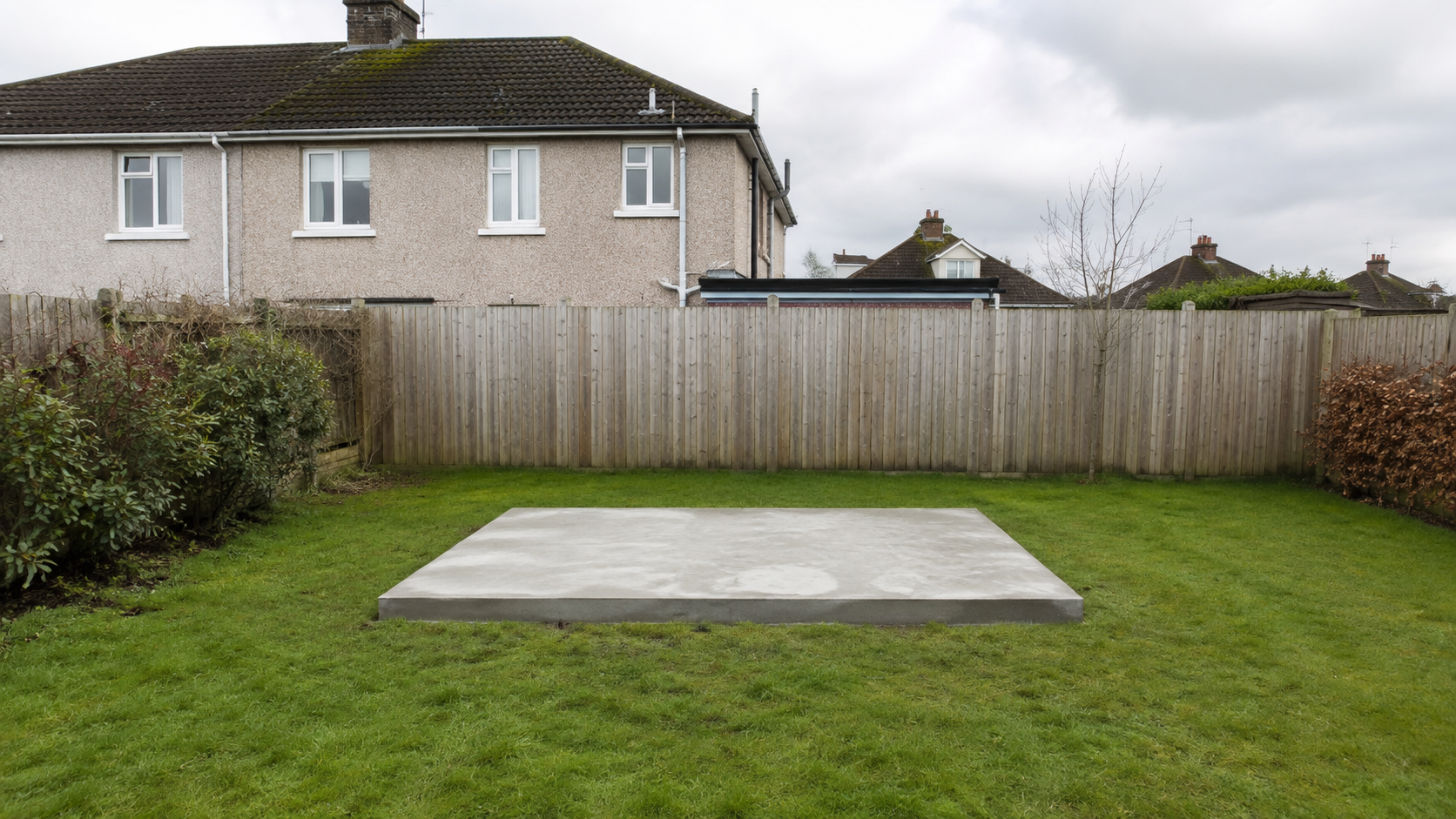
- Base. A new shed needs a firm, level base. A failed base is often what ruined the old shed, so this step deserves attention.
- Colour and roof style. Choose a finish that suits the house and garden, since the shed will be in view all year.
- Intended use. If the building will be used as a workshop or hobby space rather than just for storage, insulated sheds help keep conditions inside more comfortable and reduce condensation.
Timing also matters. The old shed needs to be emptied and cleared, and the ground prepared, before the new one goes in. Planning this in late autumn means your new shed can be in place before the worst of the winter weather and ready for the busy gardening months in spring.
A Sound Shed Protects What You Store
A leaking roof, a soft floor, a door that will not close and damp spoiling the contents are all signs that an old shed is past its best. Small, isolated faults can be repaired, but when rot reaches the base and frame, replacing the shed is usually the more sensible and economical option over time.
ColourTrend Sheds supplies and installs steel garden sheds across Dublin and the surrounding counties, with advice on size, design and preparing a level base. To discuss replacing your old shed, contact ColourTrend Sheds, call 01 467 0131 or email sales@colourtrendsheds.ie.