Garden Shed Foundations and Bases Explained
A garden shed is only as dependable as the surface beneath it. Even a well-made building can become difficult to use if it sits on ground that is uneven, soft or poorly drained. Doors may stop closing cleanly, the structure can feel unstable, and water may collect where it is least welcome. Planning the garden shed base before installation is therefore an important part of the project.
The right approach depends on the shed, its size, intended use and the conditions in your garden. This guide explains the main principles so you can discuss the details with your supplier and arrange suitable groundwork.
Why a Good Garden Shed Base Matters
A shed base creates a level, stable area on which the building can be installed. If one side is lower than the other, the frame can sit out of square, placing unnecessary strain on doors, panels and fixings. A properly planned base supports the structure evenly and makes accurate installation easier.
Drainage is equally important. Irish gardens frequently have to cope with persistent rain and damp ground. A shed should not sit in a hollow where surface water gathers. Water moving towards the building can contribute to damp conditions around stored belongings and make the surrounding area muddy or slippery.
A suitable base also provides a firm threshold for moving bicycles, lawnmowers, tools or bins. Before preparing anything, confirm the required dimensions and finish with your shed supplier.
Choose the Position Before Preparing the Ground
Base preparation should begin only after you have decided where the shed will go. Consider the route from the house, gate or driveway and make sure the doors will open without meeting a wall, fence, tree or raised bed.
Leave practical room around the shed where possible for cleaning and drainage checks. Avoid overhanging branches that regularly drop debris, and consider whether a downpipe, sloping lawn or paved area sends water towards the proposed location.
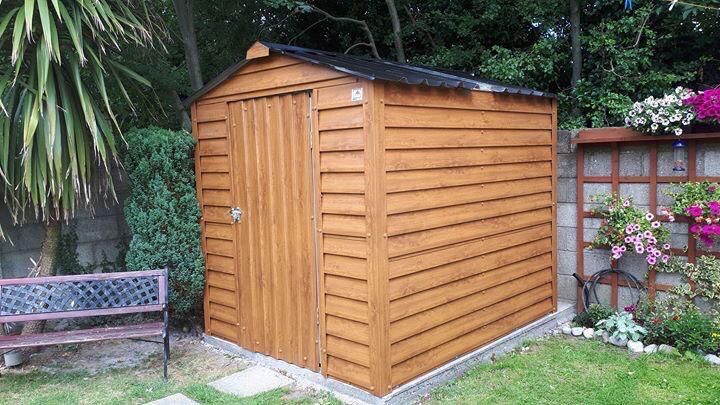
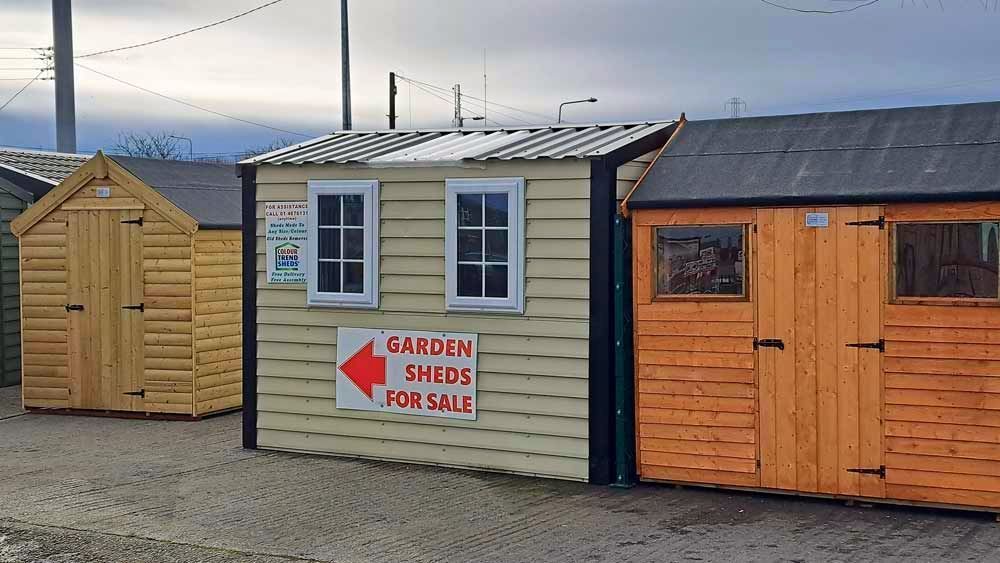
Mark the footprint with stakes and string before committing to groundwork. Walk around the outline, open an imaginary door and test the route with the largest item you expect to store. If you are still comparing designs, the range of garden sheds supplied and installed by ColourTrend Sheds can help you think through dimensions, materials and access.
Common Types of Garden Shed Base
Different base solutions can be appropriate in different circumstances. The best option should be matched to the shed design, load, ground conditions and supplier requirements rather than chosen on appearance alone.
Concrete bases
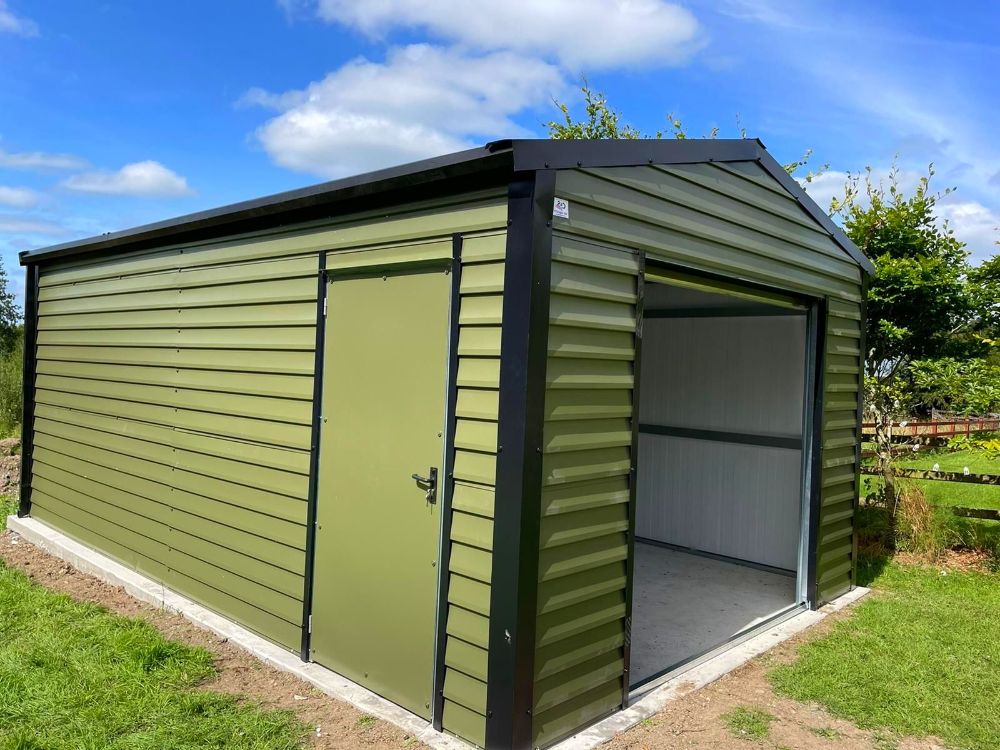
A well-prepared concrete base can provide a strong, level surface for many garden buildings. The ground below it must be prepared correctly, and the finished dimensions, level and curing time should be agreed before the shed arrives. Concrete is difficult to alter once completed, so accurate measurements are essential. For larger sheds or garages, professional advice may be sensible.
Paving slab bases
Paving slabs can create a firm platform when laid on a properly prepared, compacted sub-base. Simply placing slabs on soil or grass is unlikely to produce a lasting level surface. Individual slabs can settle or rock if the ground beneath them has not been prepared evenly.
Other support systems
Some buildings may use proprietary bases, frames or other support arrangements. Suitability depends on the product and site, so ask ColourTrend what is required before buying materials or booking a contractor.
Plan for Drainage and Ground Conditions
Observe the proposed location during or shortly after heavy rain. Standing water, saturated soil or runoff from higher ground are signs that drainage needs thought. The finished area should help water move away from the building rather than trapping it against the walls or entrance.
Remove vegetation and unstable surface material as part of proper site preparation. Building directly over grass, loose topsoil or roots can lead to movement as organic material decays or the soil changes with the weather. The exact depth and construction of any sub-base should be determined by the site conditions and chosen system.
Keep soil, mulch and planting from building up against the shed. If the garden has a pronounced slope, very soft ground or an existing drainage problem, seek suitable professional advice before proceeding.
Measure Carefully and Check Installation Access
Measure twice, but ask the right question: are you measuring the shed footprint, the required base or the full working area? Your supplier should confirm the base size and any tolerance needed. A base that is too small may not support the structure correctly, while one that extends unnecessarily can allow rainwater to sit or splash around the perimeter.
Check that the surface is level across its length, width and diagonals. A visual check is not enough in a sloping garden. The base should also be square, with matching diagonal measurements where appropriate.
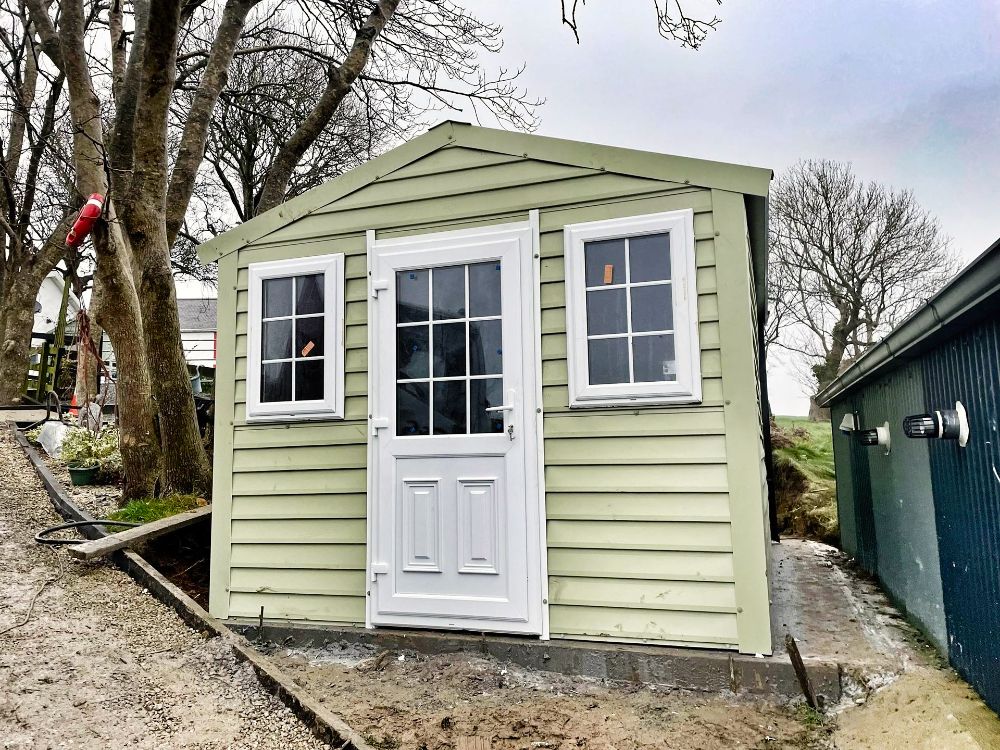
Installation access is a separate issue. Panels, tools and other components must reach the prepared area safely. Make note of narrow passages, steps, low archways, tight turns and restricted parking. The ColourTrend Sheds gallery offers examples of completed buildings that may help you visualise how a shed could sit in your space.
Final Checks Before Your Shed Arrives
When the groundwork is complete, carry out a final review. Useful checks include:
- Confirm the length, width, level and squareness against the supplier’s requirements.
- Make sure the base is firm, stable and fully ready for installation.
- Check that rainwater can move away from the proposed shed position.
- Clear the delivery route of bins, furniture and other obstacles.
- Remove loose debris from the base and surrounding working area.
- Confirm the door position, orientation and access one last time.
If the base has been newly constructed, ask the person who completed the work when it will be ready to carry the shed. Do not guess at drying or curing times. Photographs and measurements can be useful when confirming readiness with the supplier.
Build from the Ground Up
A carefully planned garden shed base supports better installation, easier access and more reliable everyday use. Choose the shed and position first, confirm the supplier’s exact requirements, prepare stable ground and manage water before the building arrives. Thought at this stage can prevent awkward corrections later.
ColourTrend Sheds supplies and fully installs bespoke sheds and garages, including 100% Irish-made steel sheds. You can explore ColourTrend Sheds online or contact the Ballymount team to discuss the right building for your garden and confirm the base preparation needed before installation.