Steel Shed Maintenance: What Owners Need to Know
Steel sheds are popular with homeowners who want durable outdoor storage without the regular staining or wood treatment associated with timber. Their low-maintenance character is a major advantage, but low maintenance does not mean the shed should be ignored after installation.
Simple checks and sensible cleaning help doors operate correctly, keep the exterior presentable and protect stored belongings. This steel shed maintenance guide covers the main areas owners should monitor without relying on complicated routines or unnecessary products.
Keep the exterior clean and inspect it
Dirt, leaves, bird deposits and garden debris can gather on a shed over time. Cleaning the exterior occasionally makes the building look better and allows you to notice scratches, loose components or other changes before they become significant.
Use a gentle method suitable for the shed finish. Avoid aggressive tools or chemicals that could damage the surface. If unsure what is appropriate, ask the supplier before applying a new product to a visible area.
Pay attention to corners, joints and areas close to planting. Branches rubbing against walls can mark the finish, while leaves trapped beside the base retain moisture and make inspection difficult. Trim vegetation to maintain clear space around the structure.
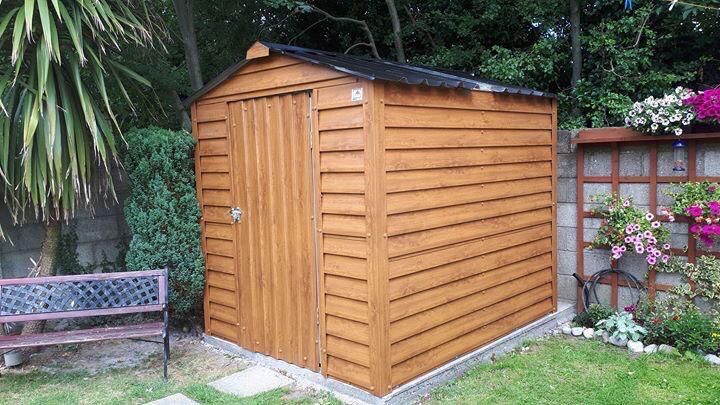
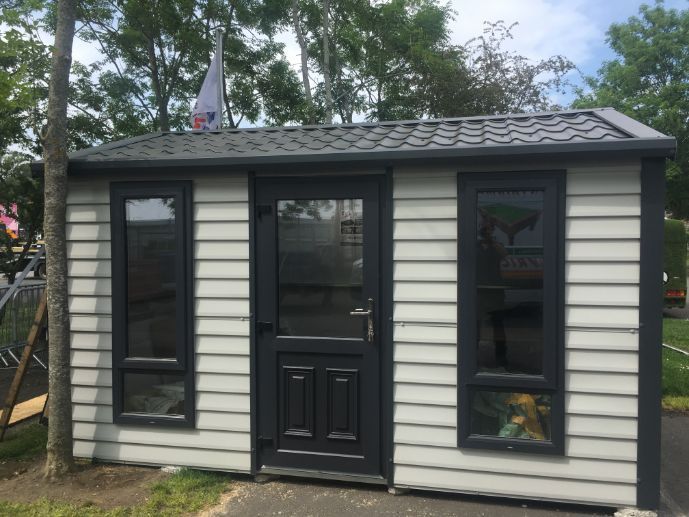
ColourTrend’s bespoke steel sheds are 100% Irish made and designed as low-maintenance garden buildings. Routine observation still helps owners identify accidental damage or changing site conditions promptly.
Check doors, hinges, handles and locks
Doors receive more daily handling than most of the structure. Open and close them fully, noting stiffness, unusual noise, looseness or a change in alignment. A door that becomes difficult to secure should not be forced or left partly locked.
Keep the entrance clear inside and outside. Boxes, bicycles and machinery should not press against doors, and paving or planting should not obstruct movement. A defined internal path makes equipment easier to return without damaging the doorway.
Check handles, hinges and locking hardware for visible wear or looseness. Follow any care advice supplied for those components and replace damaged items rather than postponing attention. Encourage everyone using the shed to report changes instead of working around them.
- Confirm that each door opens and closes freely.
- Keep the threshold and closing area clear.
- Look for loose or damaged visible hardware.
- Check that the chosen lock operates normally.
Manage rainwater and drainage around the base
The surrounding ground should direct rainwater away rather than allowing it to collect along walls or the doorway. Check the area after heavy rain because problems are easier to identify while water routes are visible.
Nearby gutters, downpipes and slopes can change how water moves through the garden. Ensure they do not discharge beside the structure. Clear leaves from drainage routes and avoid building soil, mulch or stored materials against lower walls.
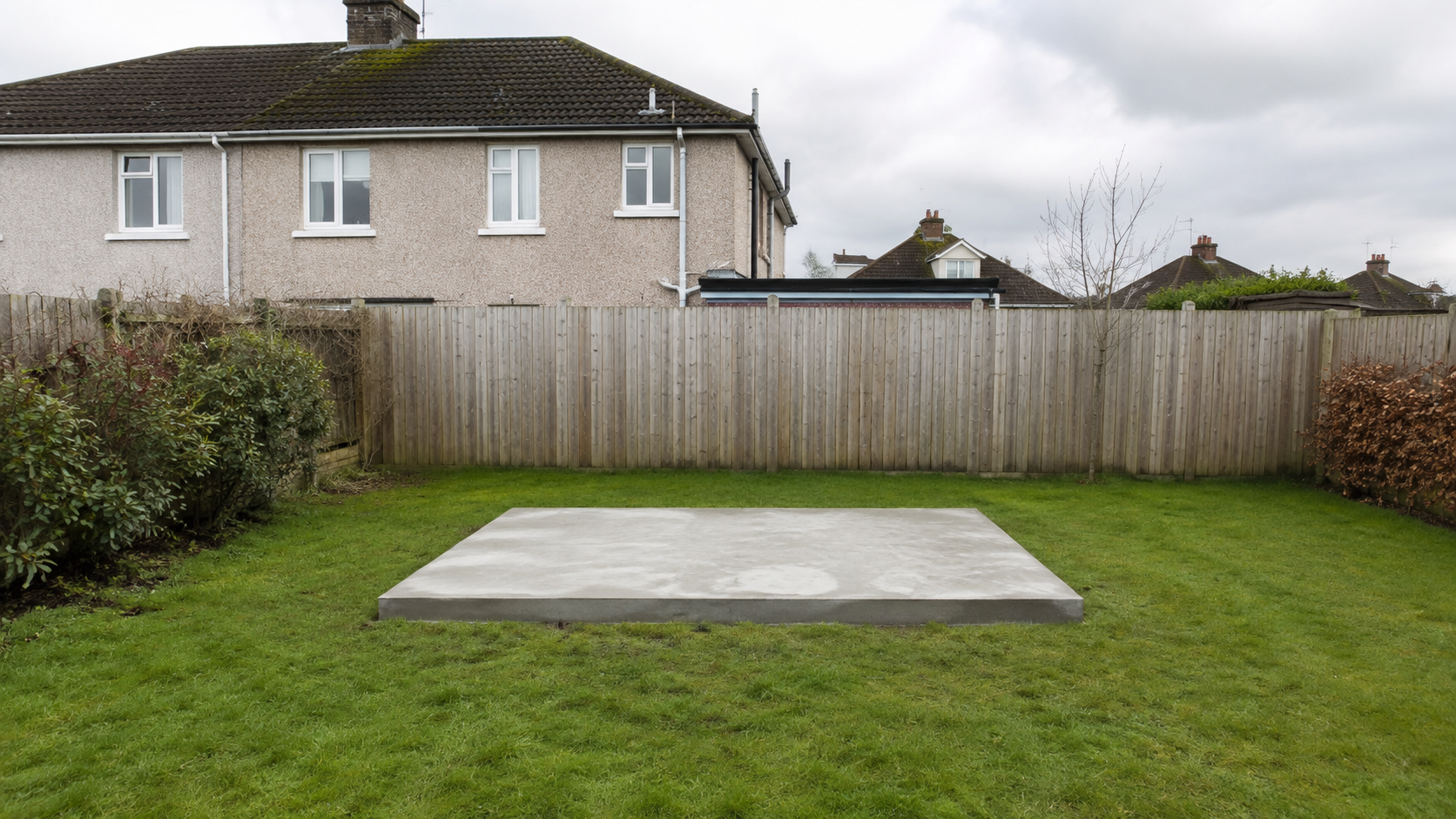
A suitable, level base supports the shed and helps doors remain aligned. If water begins pooling where it did not previously, look for blocked drainage, settled ground or new landscaping. Addressing the cause is more effective than repeatedly clearing water.
Do not drill, cut or alter the shed to solve a drainage issue without appropriate advice. Unplanned modifications may create new entry points for moisture or affect the building’s performance.
Support ventilation and control moisture inside
Condensation is influenced by weather, ventilation and stored contents. Even a well-made shed can become damp if wet equipment is placed in a crowded space and the doors remain closed for long periods.
Dry tools, cushions, clothing and bicycles where practical before storage. Leave airflow around boxes and large items rather than packing everything tightly against walls or ventilation points. Frequently used contents should remain accessible.
Check belongings during maintenance. Damp cardboard, fabrics or timber offcuts can retain moisture. Use suitable storage containers where appropriate and remove items that are no longer needed.
An insulated shed offers a more moderated shell for certain uses, but ventilation and moisture management still matter. Insulation is not a replacement for airflow or sensible storage habits.
Respond promptly to scratches or damage
Tools, bicycles, lawn equipment and furniture can accidentally strike doors or walls. Inspect the affected area rather than assuming a small mark is purely cosmetic. The correct response depends on the finish and extent of the damage.
Avoid applying random paint, sealant or repair products without confirming compatibility. An unsuitable product may create an uneven appearance or complicate a proper repair. Ask the supplier for guidance when the correct method is unclear.
Do not hang heavy equipment, add openings or attach structures without checking that the change is suitable. Alterations for shelving, cables or garden features should not compromise walls, roof or water management.
Photographs can help explain a change when seeking advice. Include a wider view and close-up so the location and scale are clear.
Adapt maintenance to the garden setting
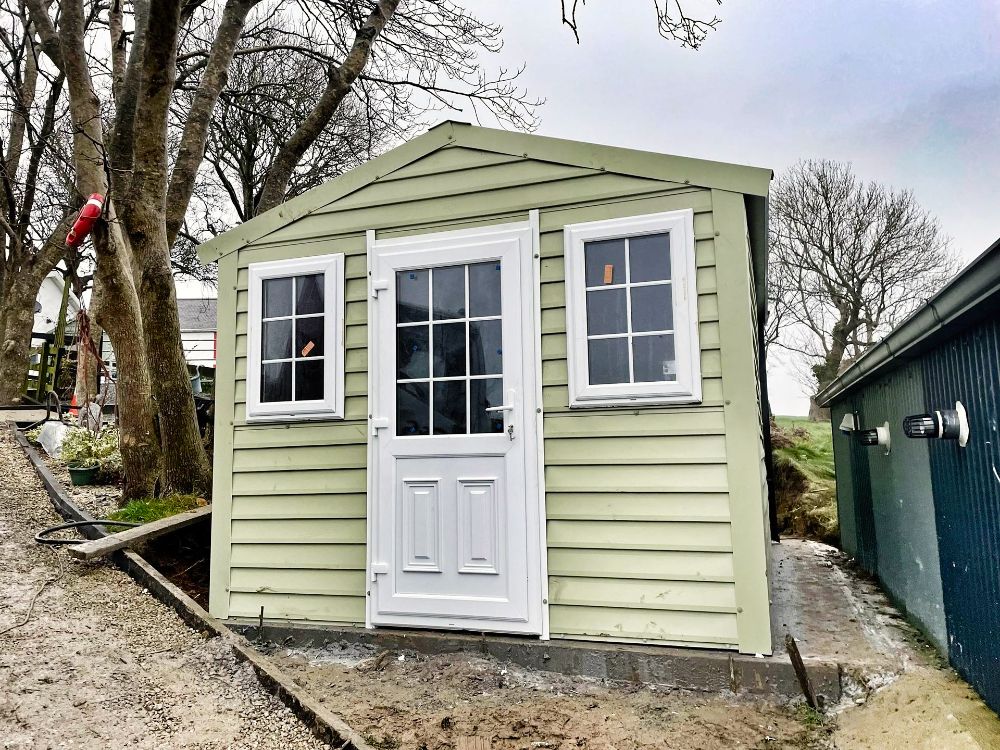
A shed beneath trees may collect more leaves and bird deposits than one in an open paved garden. Coastal or exposed sites may need closer observation. The sensible routine should reflect the actual setting rather than an identical timetable for every property.
After strong winds or severe weather, check for fallen branches, debris against walls and changes around the base. Keep heavy items from leaning permanently against the structure and secure loose objects nearby before forecast storms.
New planting, paving, raised beds or stored materials should not block doors or direct water towards the shed. Review the surroundings whenever the garden layout changes.
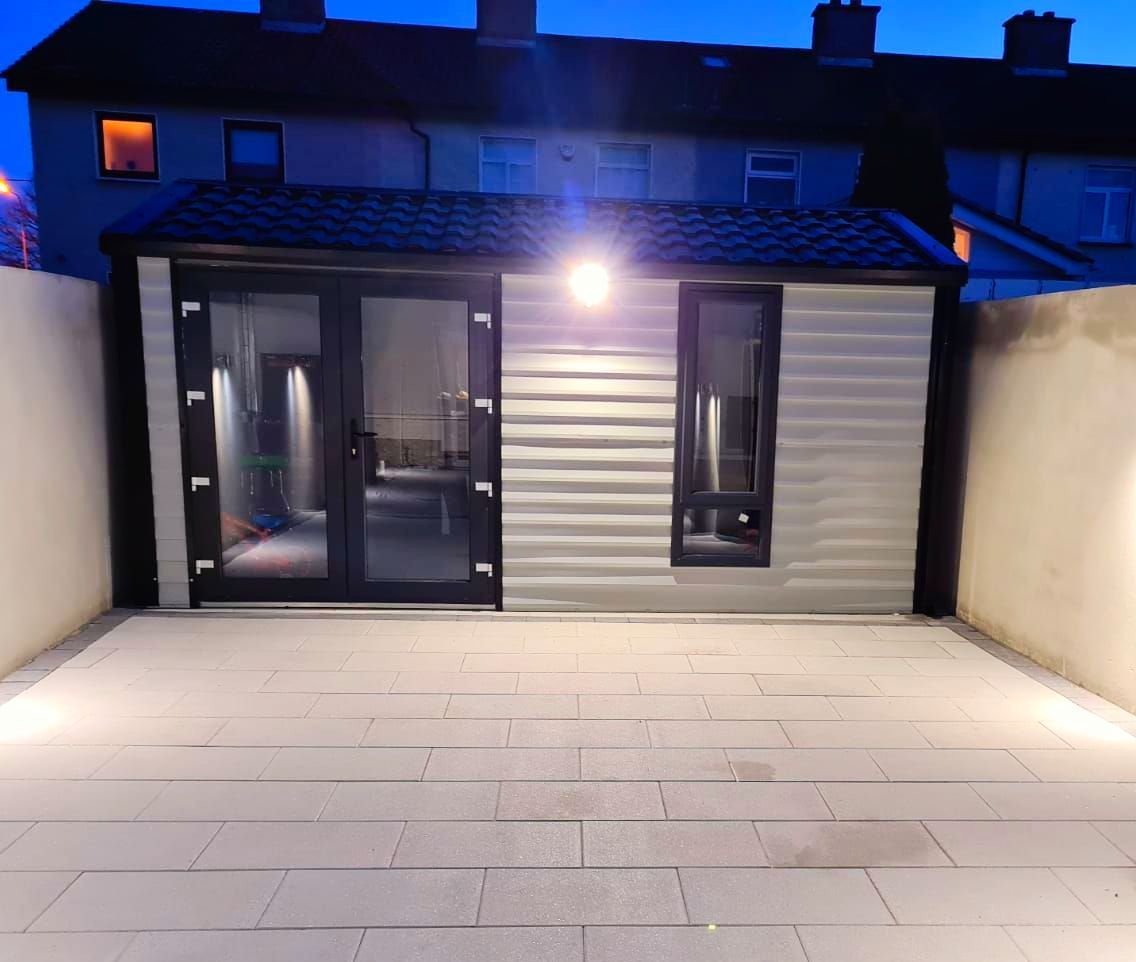
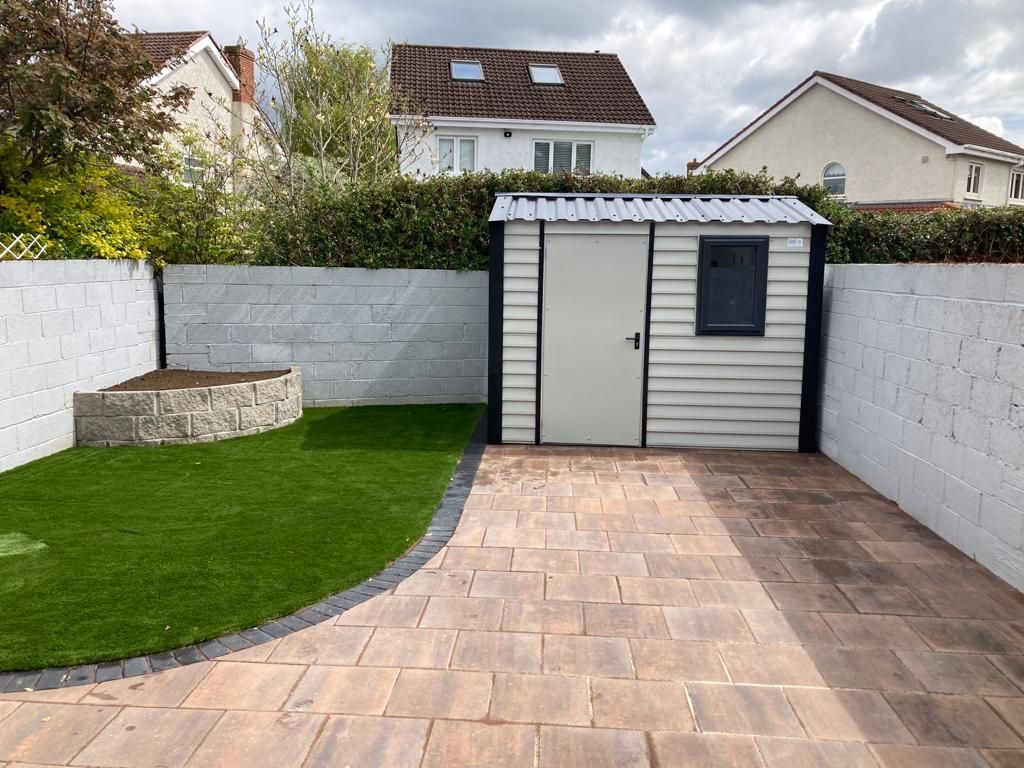
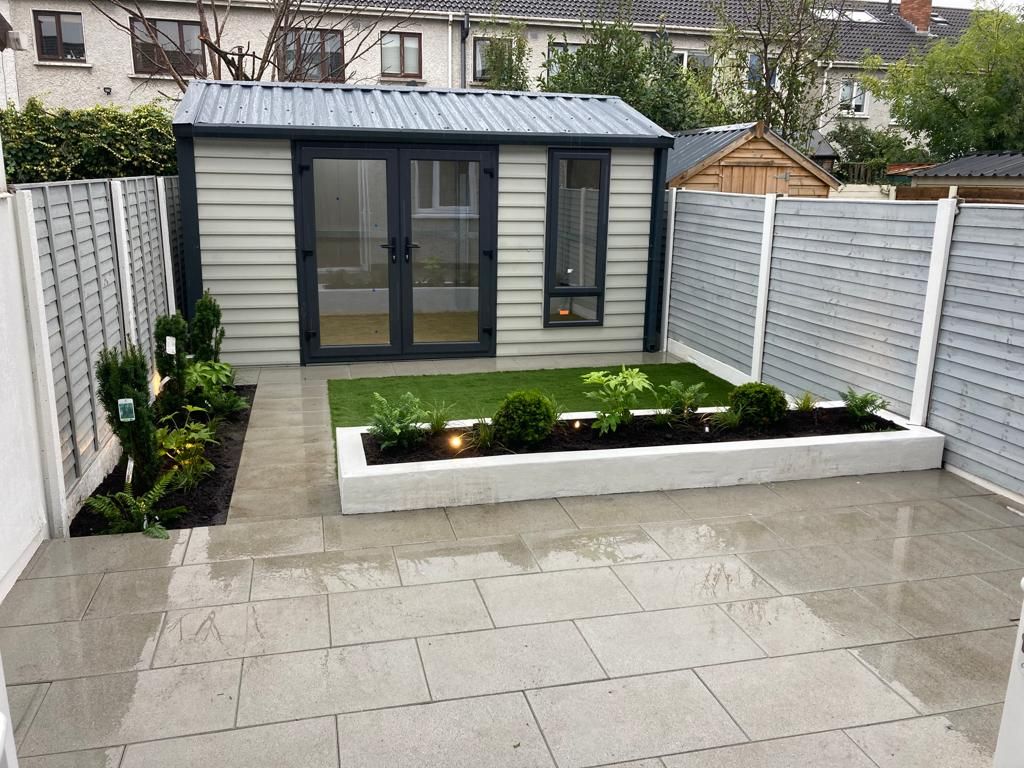
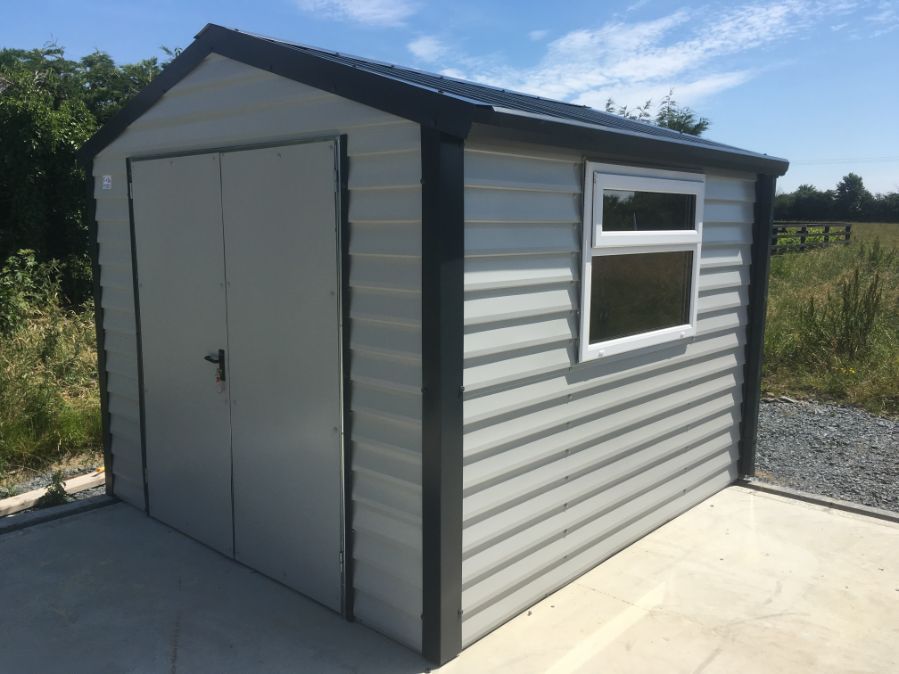
The ColourTrend shed gallery shows steel buildings in different settings and can help prospective owners consider positioning and surrounding clearance.
Make simple care part of ownership
Effective steel shed maintenance is mainly regular observation and prompt action. Keep the exterior and base clear, manage rainwater, protect ventilation, organise contents and check doors and hardware. These habits help preserve convenience and appearance.
Avoid unsupported repair methods or structural alterations. When damage, alignment or finish questions arise, seek appropriate advice rather than guessing. Dealing with a small issue early is easier than working around it.
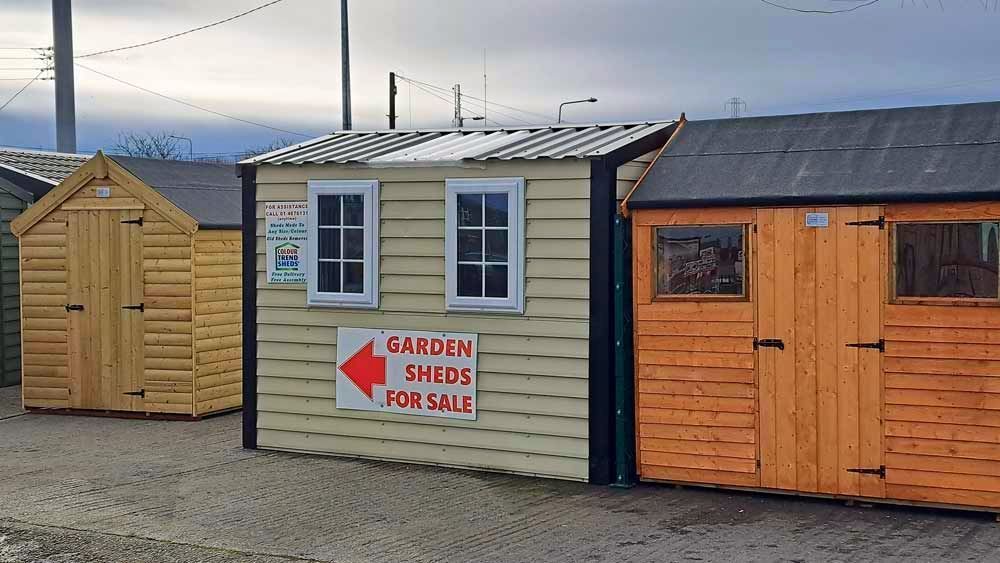
ColourTrend Sheds supplies and fully installs bespoke steel sheds and garages. To discuss a new low-maintenance garden building, contact ColourTrend Sheds or visit the Ballymount display.