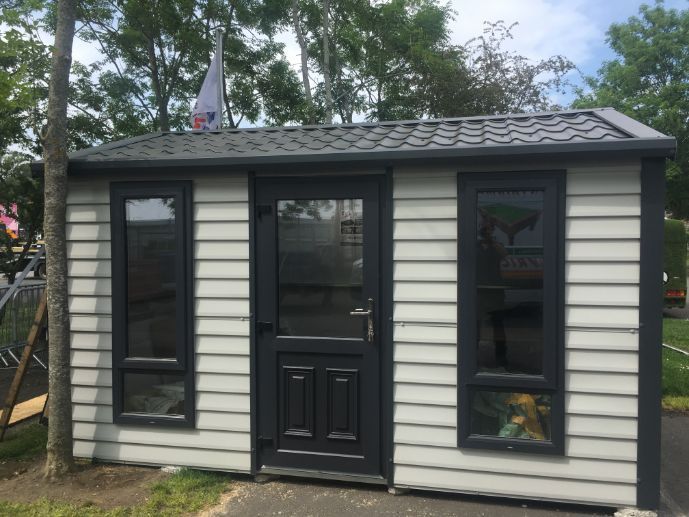
What to Consider Before Buying a Garden Shed
Buying a garden shed is a practical way to create storage, protect outdoor equipment and keep the garden organised. However, the best choice is not always the first shed that fits the available space. Size, material, access, maintenance and installation all affect how useful it will be.
Considering these points before ordering can prevent problems such as cramped storage, awkward doors or more upkeep than expected. This guide explains what to consider when buying a garden shed so you can choose a building that suits your garden for years.
Decide what the shed needs to store
Start with purpose rather than appearance. Hand tools need less space than bicycles, a lawnmower, furniture and seasonal equipment. List everything that will go inside and measure the largest items. Frequently used equipment should remain near the door, while seasonal belongings can sit towards the back.
Allow enough floor space to move around instead of filling every centimetre. Shelves, hooks and suitable racks can organise smaller items, but they must not block the doorway or make large objects difficult to remove. Leave some capacity for future purchases.
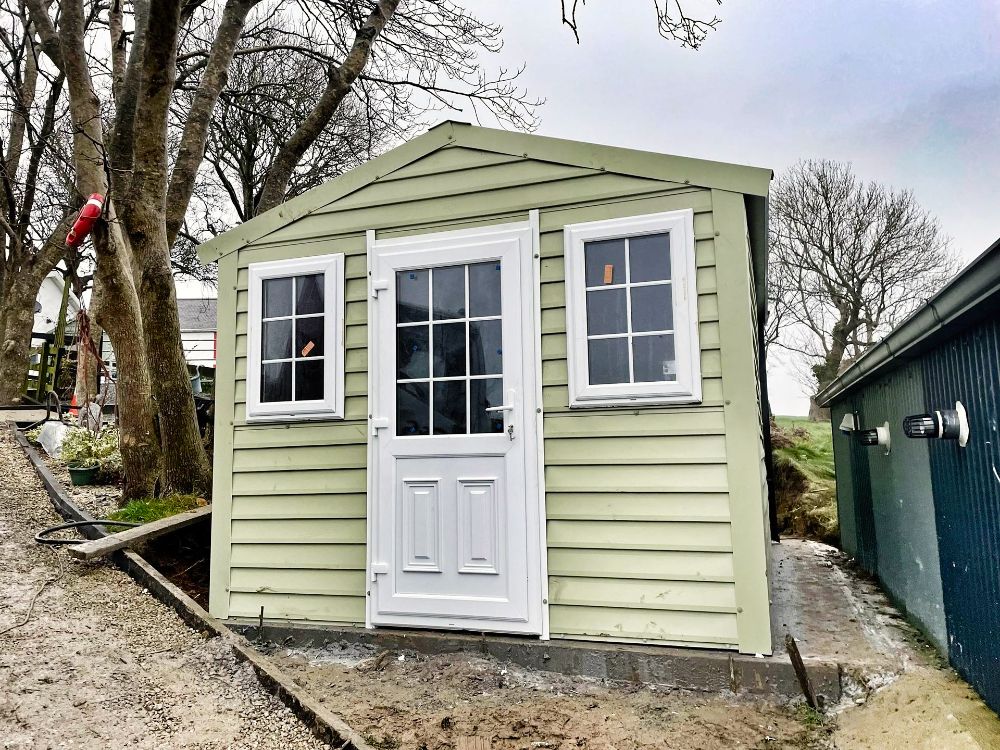
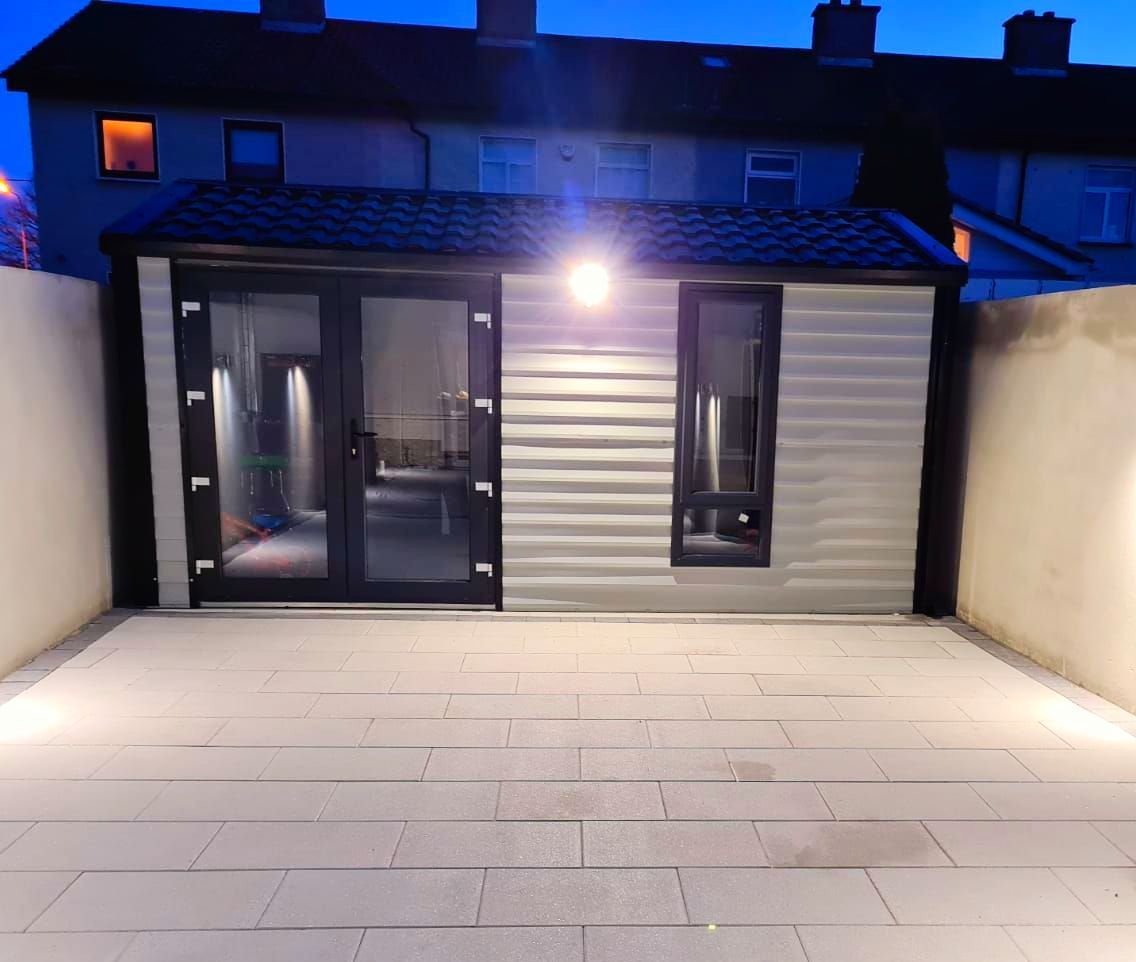
If the building may later serve another purpose, plan early. An insulated garden shed can provide a suitable shell for a future office, gym, studio or hobby room. ColourTrend supplies and installs the shed, but flooring, electrics, plumbing, decoration and furnishings must be arranged separately.
Measure the garden and check access
Measure the proposed position at several points because walls and fences are not always straight. Check height as well as width and depth, noting branches, overhangs, cables, drains, inspection covers and places where rainwater collects.
The entire measured area should not automatically become the shed footprint. Doors need room to open, installers require suitable working access and the building should not press directly against vegetation. Some surrounding clearance also makes routine checks easier.
Walk the delivery route from the front of the property and identify narrow gates, passages, steps or corners. Sharing this information helps the supplier assess what is practical. A bespoke design can use an awkward position better than a standard product, particularly in a narrow or irregular garden.
Compare steel and timber carefully
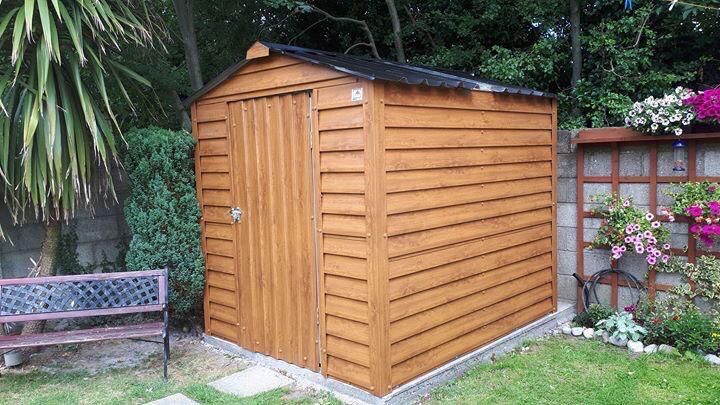
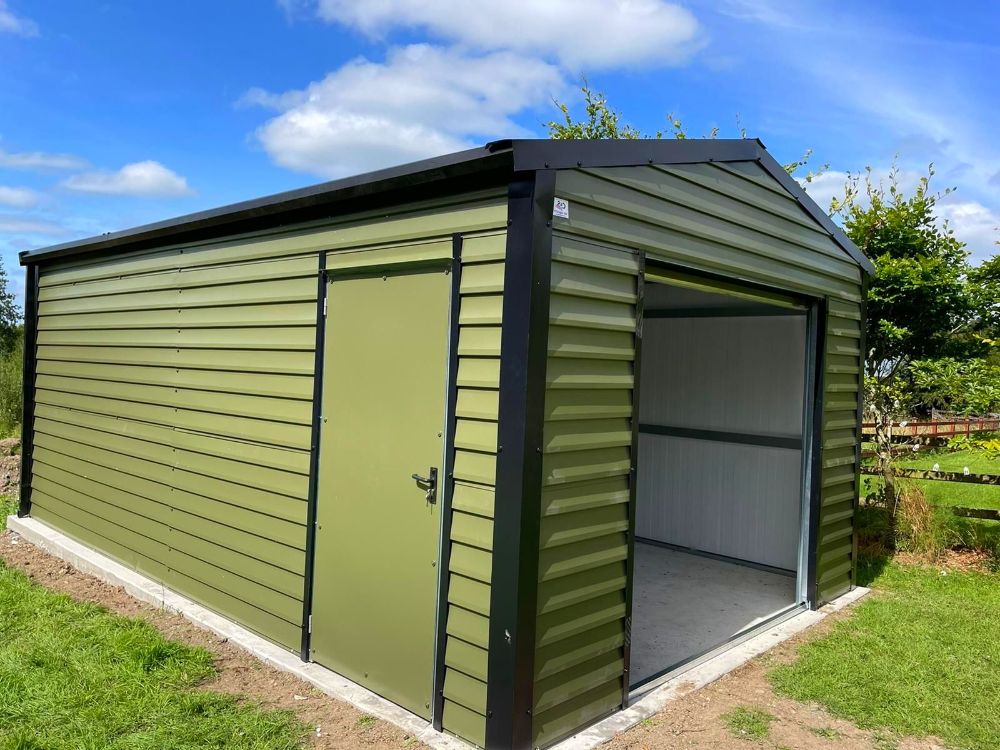
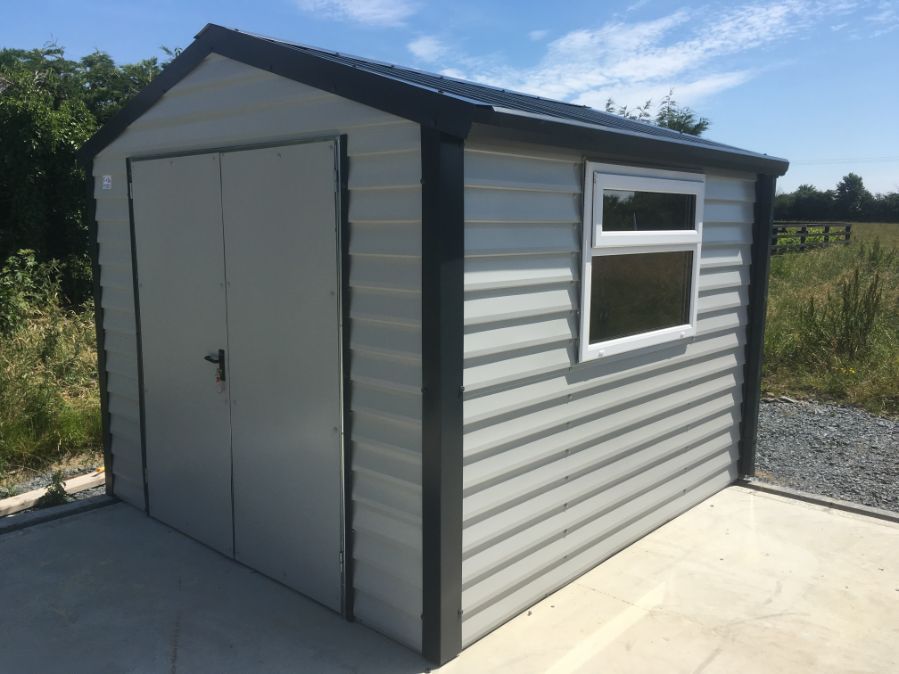
Material affects appearance, maintenance and ownership. Steel sheds provide a clean finish and straightforward care. ColourTrend’s bespoke steel sheds are 100% Irish made and can be specified in an appropriate size and colour. Steel does not rot or need the protective treatments associated with timber.
Timber sheds have a natural, traditional character that works well with planting and established gardens. Many homeowners prefer the warmth of wood, although it generally needs periodic inspection and treatment to help protect it from damp weather.
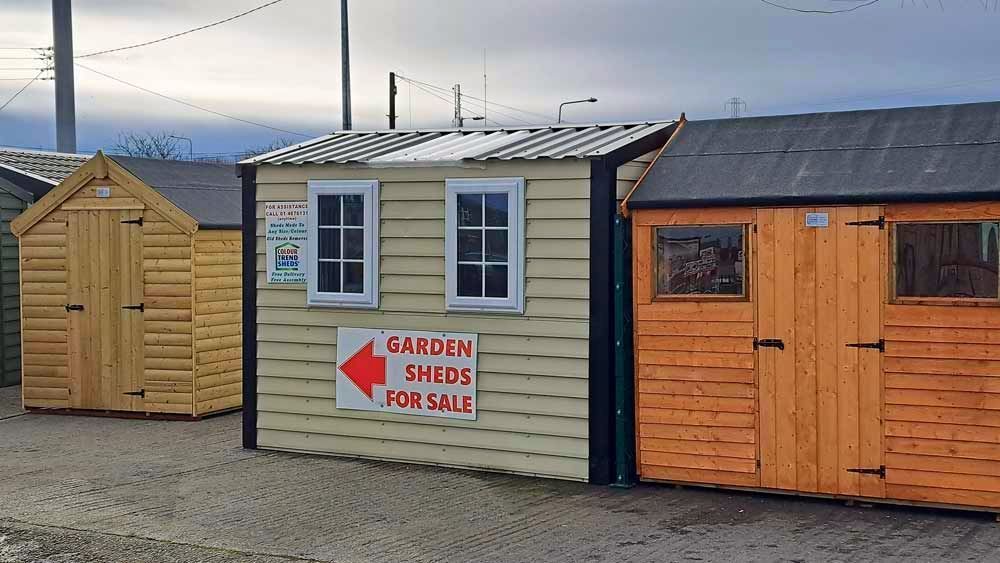
Think about what will be stored, how much maintenance you will carry out and how the shed should relate to the house. Viewing real examples is often more useful than relying on photographs or small material samples.
Plan doors, layout and security
A shed may have enough floor area but still be inconvenient if its entrance is narrow or poorly positioned. Measure bicycles, machinery and wide furniture, then consider the complete route through the doorway. Decide whether one door is enough or wider access would improve everyday use.
Door position determines where shelving can go and whether equipment can remain near the entrance. In a restricted garden, moving the door to another side may create a better approach from the path and more usable internal wall space.
Security should be considered before ordering if the shed will contain valuable tools or bicycles. The structure, door and lock matter, but garden access and visibility also contribute. A secure gate, sensible lighting and a location visible from the house can support the shed’s security.
- Choose access wide enough for the largest stored item.
- Preserve a clear internal path to frequently used equipment.
- Keep valuable items out of immediate view when the door opens.
- Consider the shed as part of the wider garden security plan.
Prepare the base and manage moisture
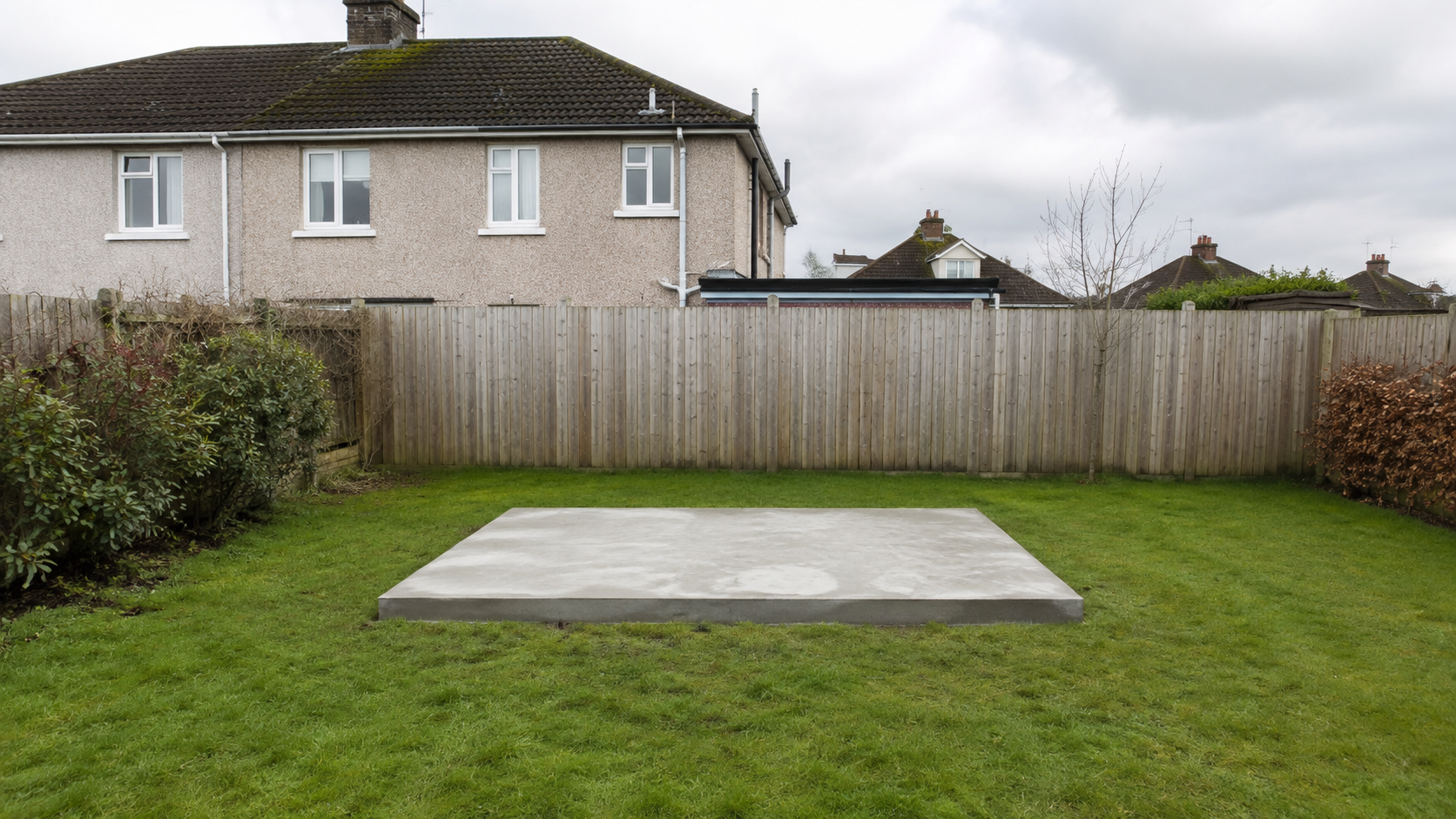
A suitable, level base supports the shed and helps doors operate correctly. Confirm base requirements with the supplier before installation. The footprint and surrounding ground should direct rainwater away rather than allowing it to gather around the edges.
Check nearby gutters, slopes and trees. Water should not discharge beside the shed, and leaves should not build up around its base. Keeping planting back from the walls improves airflow and makes cleaning easier.
Ventilation also protects stored contents. Avoid placing dripping tools, wet cushions or damp equipment into a crowded shed and closing it for long periods. Dry items where possible and leave room for air to circulate. These habits help reduce condensation regardless of the material.
Compare the complete supply and installation service
Compare the whole service rather than only the advertised price. Ask what is included, how the design is confirmed and what preparation is required. Dimensions, doors, colour, installation access and the base should all be clear before work begins.
Avoid relying on unverified promises about lifespan, weather performance or delivery times. A reputable supplier should clearly explain what it provides and distinguish the shed installation from interior work that the customer must arrange.
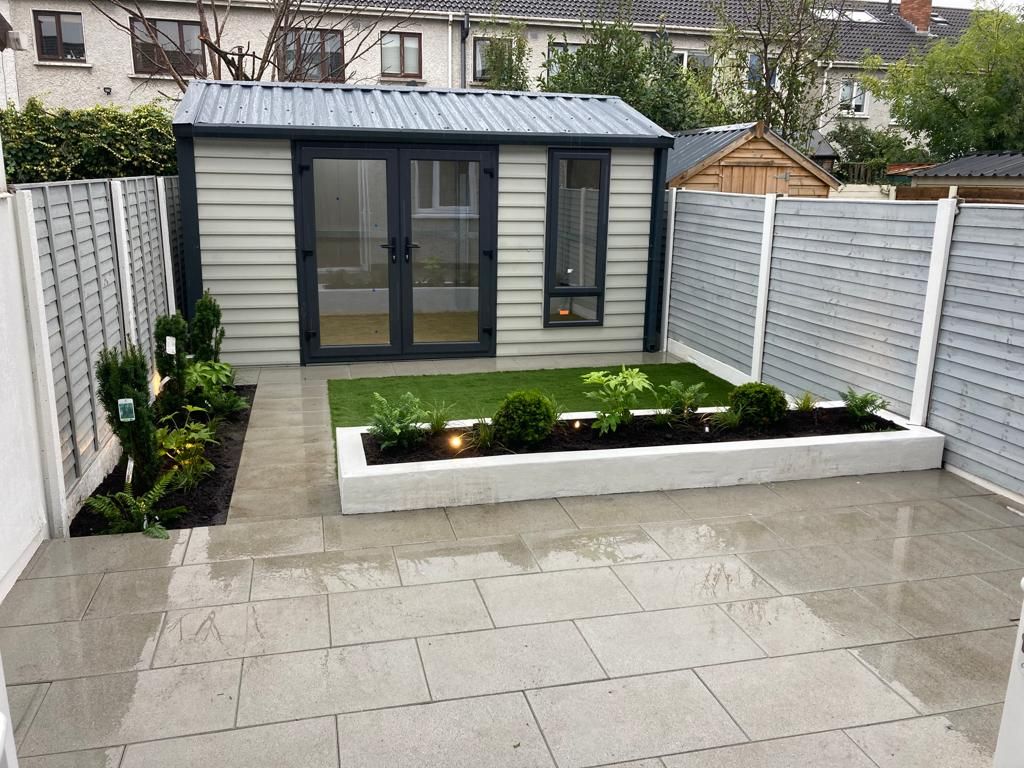
ColourTrend Sheds supplies and fully installs bespoke steel, timber and insulated sheds as well as garages. The completed-project gallery can help you compare proportions, finishes and garden settings. Visiting the Ballymount display also makes it easier to judge doors, colours and sizes in person.
Choose a shed that will remain useful
Before buying a garden shed, define its purpose, measure accurately and look beyond appearance. The right shed should provide sufficient capacity, comfortable access, manageable maintenance and a design that sits naturally within the garden.
A bespoke option can be particularly valuable where standard dimensions waste space. When specification and installation are planned together, the finished shed is more likely to remain convenient over the long term.
To discuss a fully supplied and installed shed, contact ColourTrend Sheds or visit the Ballymount display. Bring approximate measurements and a list of stored items so the team can help you assess suitable options.