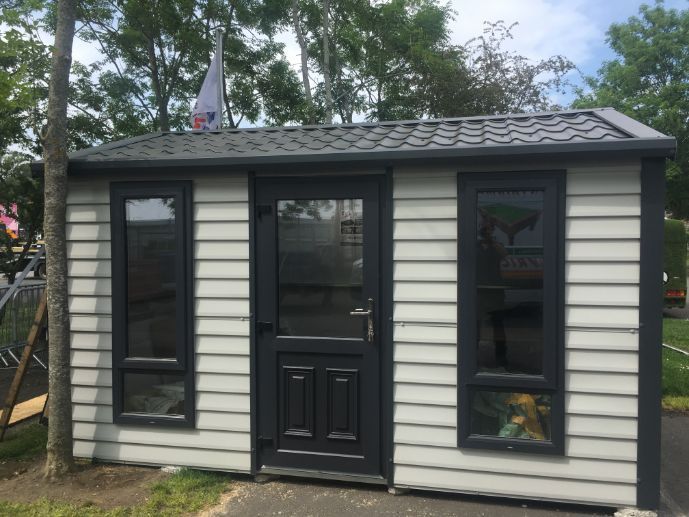
How to Choose the Right Garden Shed Size
Choosing the right garden shed size involves more than finding a structure that fits between two boundaries. It must hold what you need, remain easy to access and sit comfortably within the garden. A shed that is too small quickly becomes overcrowded, while an unnecessarily large one can dominate the space.
By measuring carefully, listing what will be stored and considering everyday use, you can choose dimensions that work now and remain useful for years.
Measure the proposed location accurately
Measure the width and depth at several points, especially when walls or fences are not perfectly straight. Check overhead space, including branches, roof overhangs and cables. Note drains, inspection covers, changes in ground level and areas where water gathers.
The available area is not necessarily the shed’s maximum size. Installers need suitable access, doors must open without hitting a wall or furniture, and it is sensible to preserve access around the building where possible.
- Record the narrowest width and depth
- Check boundaries, drains and ground levels
- Confirm the route from the front of the property
- Allow clear space for the doors
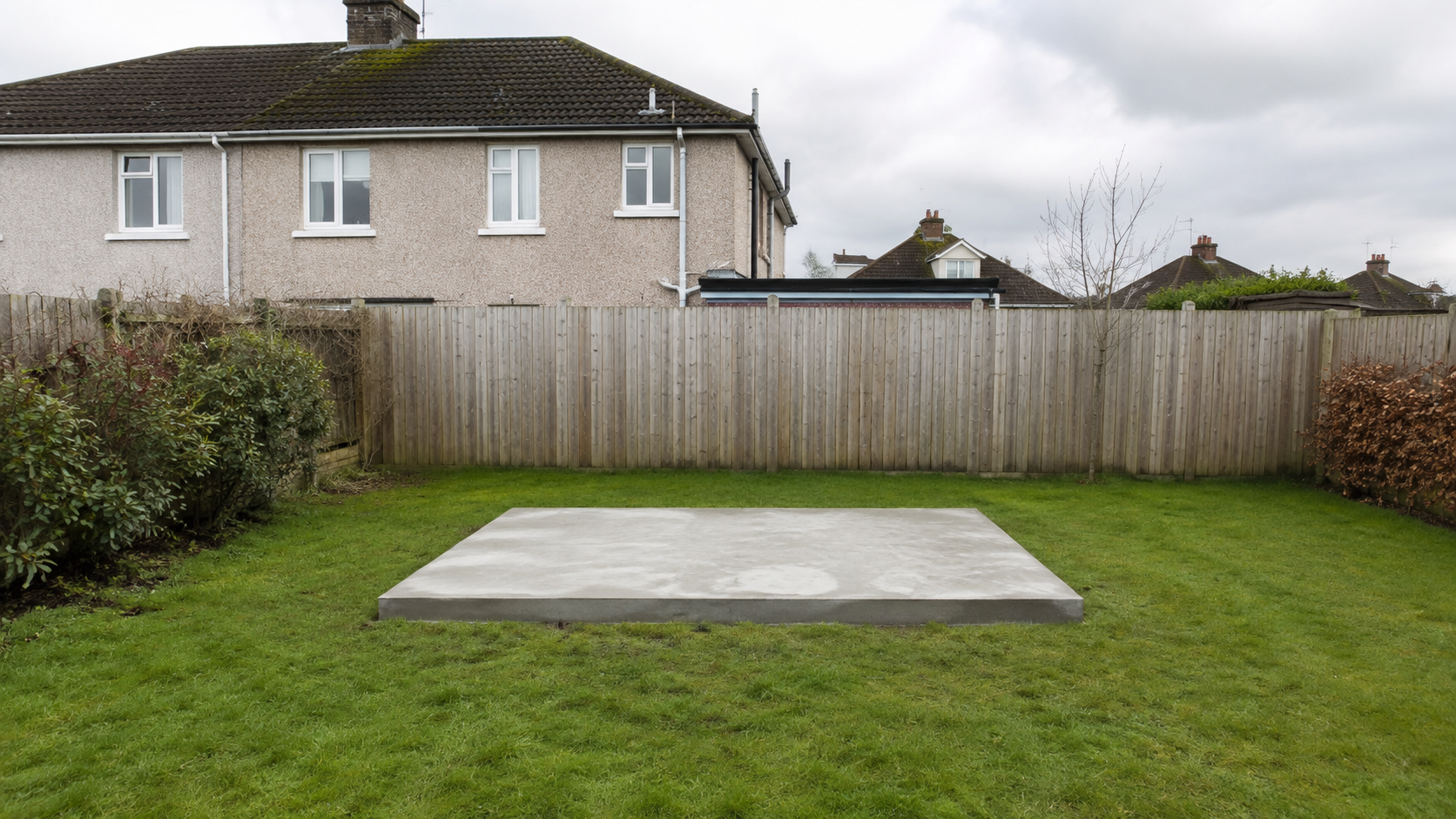
- Discuss base requirements before ordering
List everything you need to store
Start with large items such as a lawnmower, bicycles, wheelbarrow, barbecue or garden furniture. Add tools, pots, compost and seasonal belongings. Measure bulky objects rather than assuming they will fit.
Think vertically as well as horizontally. Shelving can improve capacity, and hooks can keep lighter equipment off the floor. However, do not allocate every centimetre to storage. You need space to stand, move equipment and reach the back.
Mark the proposed footprint with tape, string or garden canes. Place large items within the outline if practical. This simple exercise reveals whether the space feels comfortable or cramped.
Plan the doorway and internal movement
A shed can have adequate floor area and still be frustrating if access is wrong. Bicycles, wide lawnmowers and garden furniture need a clear route, not a narrow path between boxes. Decide whether a single door is enough and where it should sit.
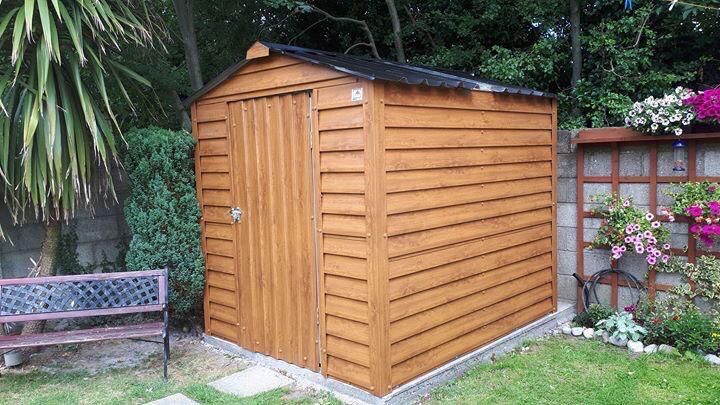
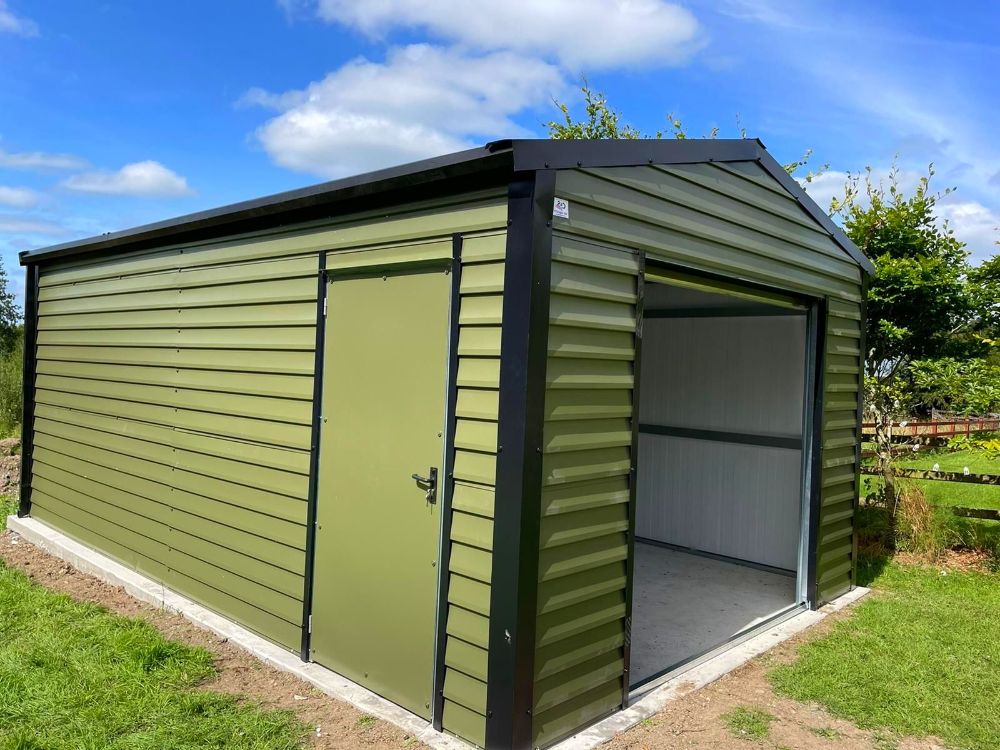
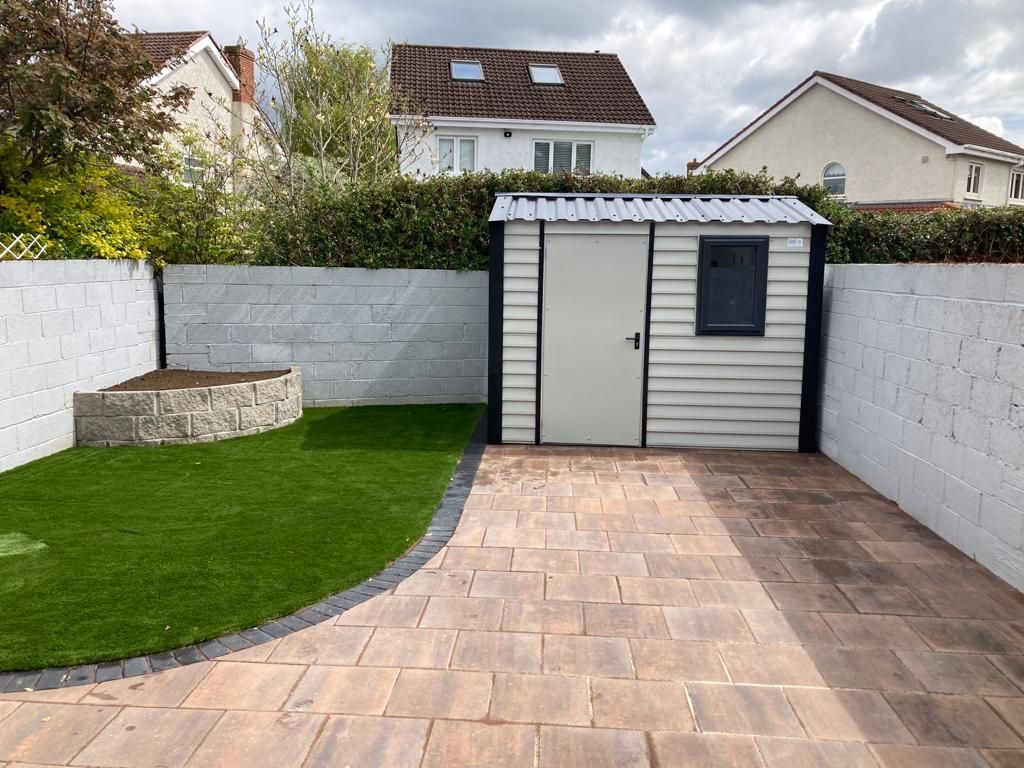
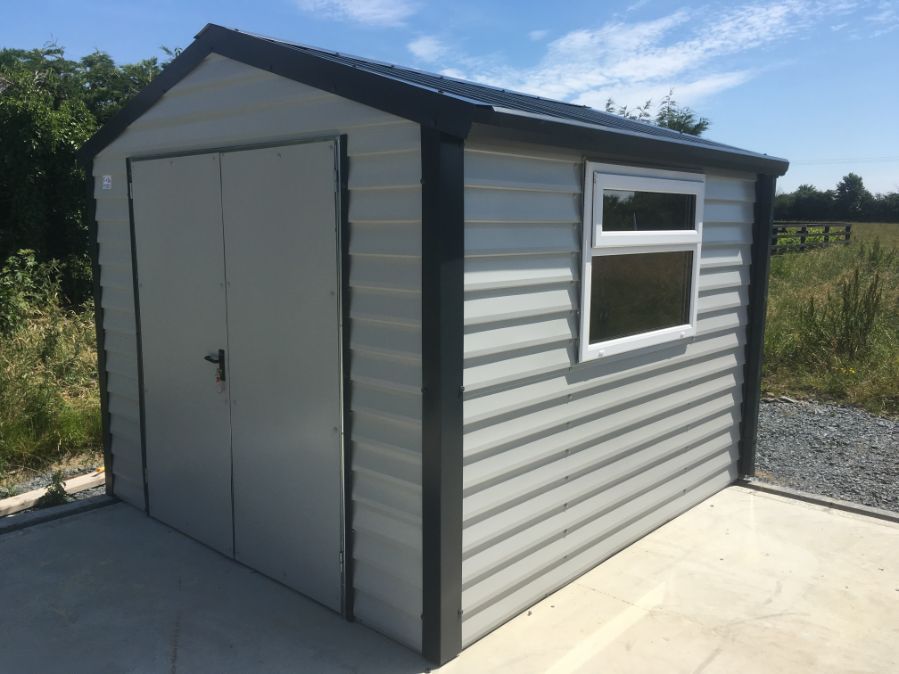
Door placement also controls where shelving and larger objects can go. With a bespoke steel garden shed, dimensions and access can be considered together rather than treating the entrance as an afterthought.
Keep a small circulation area inside. If you must empty the shed to reach one item, the layout is inefficient. A little additional space or a better doorway position may transform everyday use.
Allow for future storage
Many homeowners choose based only on what is currently in the garden. Later, bicycles are added, children’s equipment changes and new tools appear. The smallest possible shed may therefore be full almost immediately.
Allow sensible spare capacity without oversizing. Consider whether you may buy a larger lawnmower, add furniture or store sports equipment. In a compact garden, stackable boxes, wall storage and thoughtful access can be more valuable than simply adding width.
Bespoke sizing can use an awkward strip of ground that does not match common standard dimensions. This is particularly useful where every part of the garden matters.
Match the shed to the garden
View the proposed footprint from the house, patio and main seating area. Consider height and roofline as well as width. A tall building near a window may feel more prominent than the same shed against a rear boundary.
Colour affects the visual impact. A finish related to fencing, walls or the house can help the shed sit naturally in the space. Planting may soften its surroundings, but branches should not press against the structure or restrict ventilation.
In a larger garden, keep regular use in mind. A shed positioned far from the access path may make moving heavy equipment inconvenient, especially during wet weather.
Size the shed for its intended use
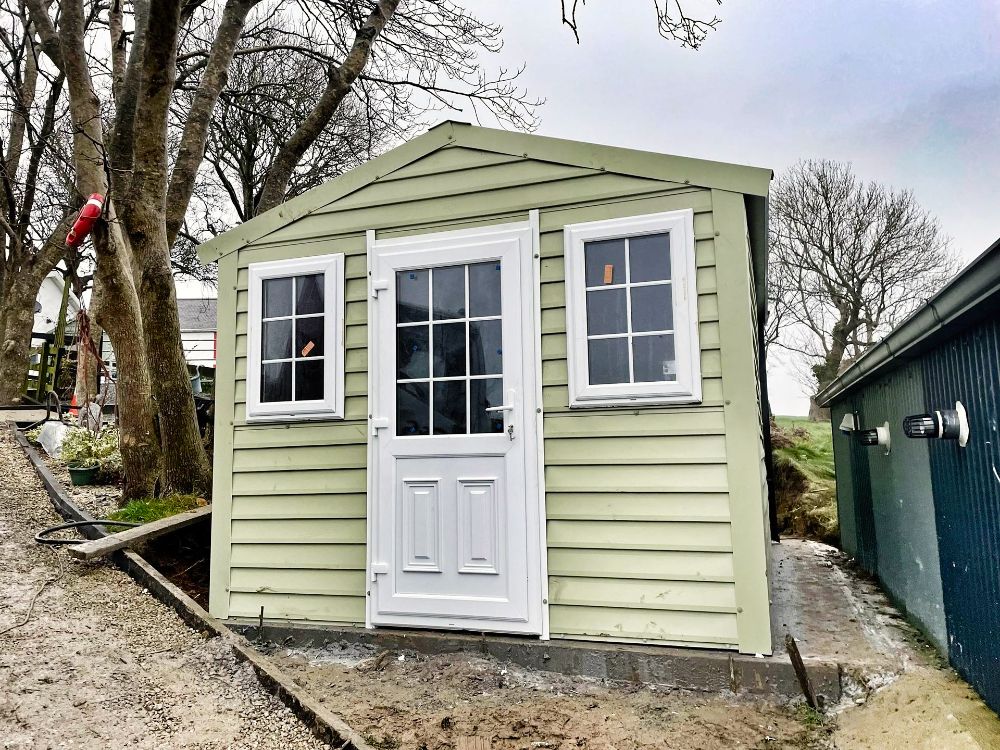
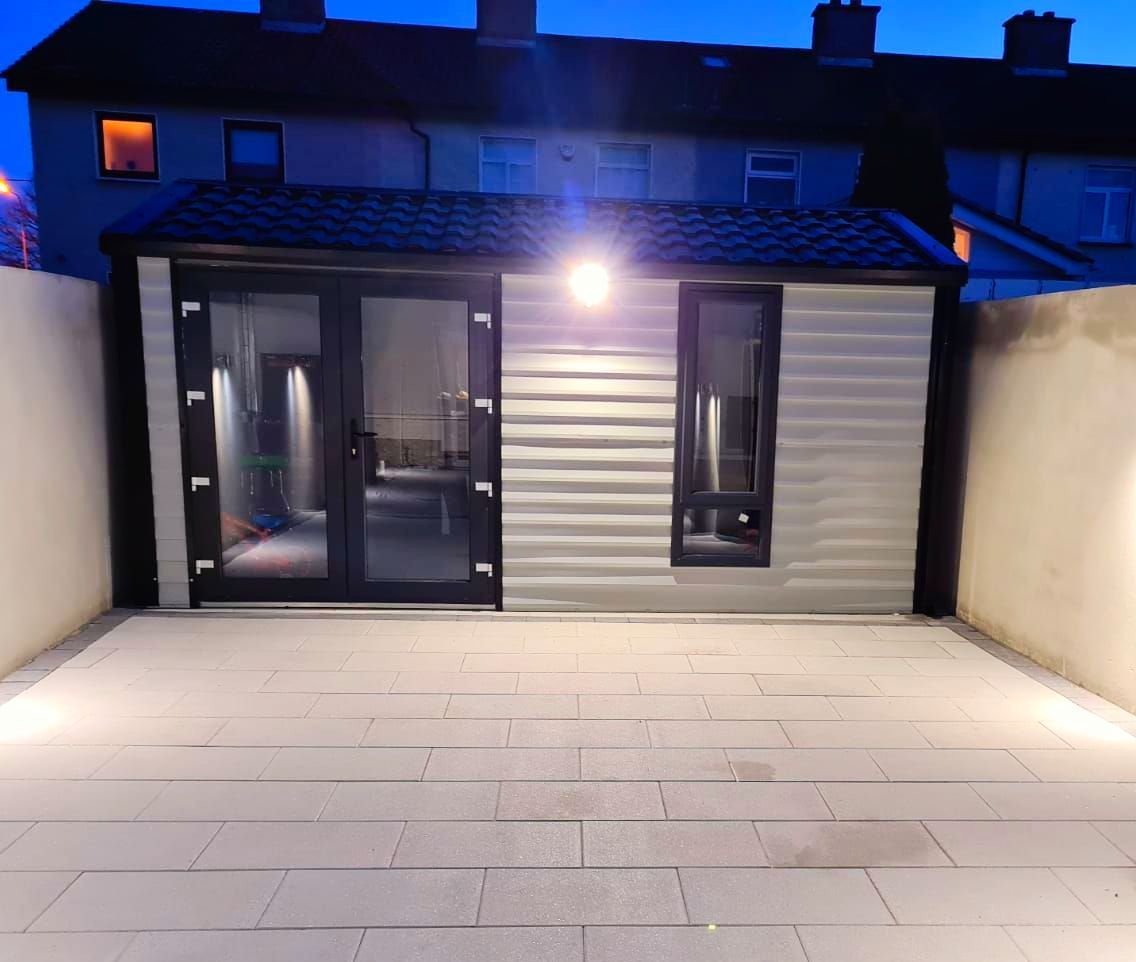
Storage requires clear access and an organised layout. An insulated shed planned as a hobby room, gym or future office requires comfortable human space, and doors and windows affect the usable arrangement.
ColourTrend can supply and install an insulated shed suitable for later adaptation. Interior fit-out, electrics, plumbing, flooring, decoration and furniture are not included and must be arranged separately. Knowing the intended layout before ordering helps define a suitable shell.
Check the base and installation route
The final size depends on a level, properly prepared base and workable access. Do not order to the absolute limit without discussing tolerances. Boundaries may be irregular, and installers require room to work safely.
Confirm what preparation is required and who will arrange it. Keep drainage in mind and avoid a position where water regularly collects. A shed should fit the measured location, be straightforward to install and remain accessible afterwards.
Choose with confidence
The best garden shed size balances capacity, comfortable access, flexibility and the scale of the garden. Accurate measurements and an honest inventory are more reliable than choosing by appearance alone.
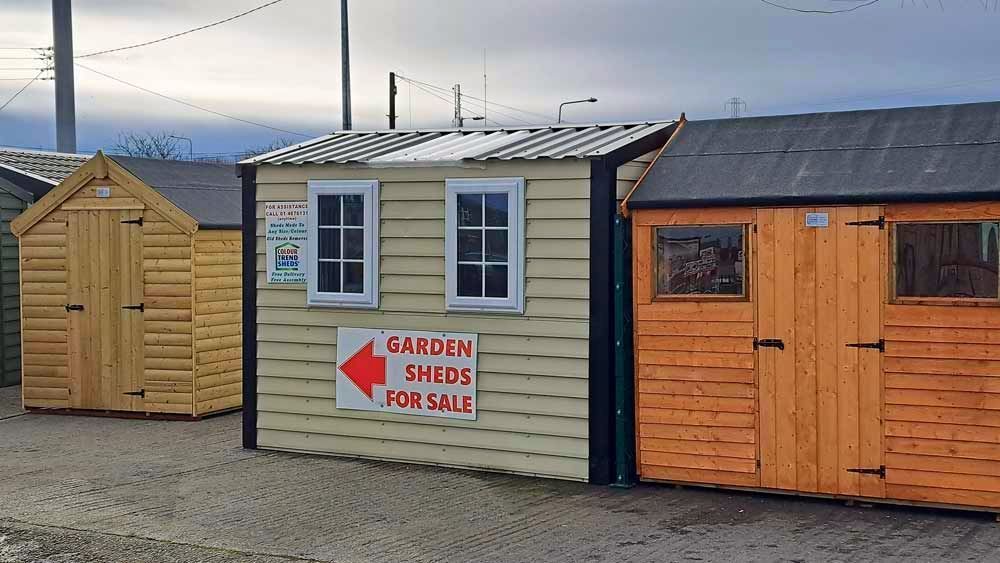
ColourTrend Sheds offers bespoke options rather than expecting every property to suit a standard footprint. Explore the gallery, visit the Ballymount display or contact the team to discuss dimensions and full installation.