
Protecting a Timber Garden Shed Through Winter
23 November 2026
Share
How to Keep a Timber Shed Dry and Sound Until Spring
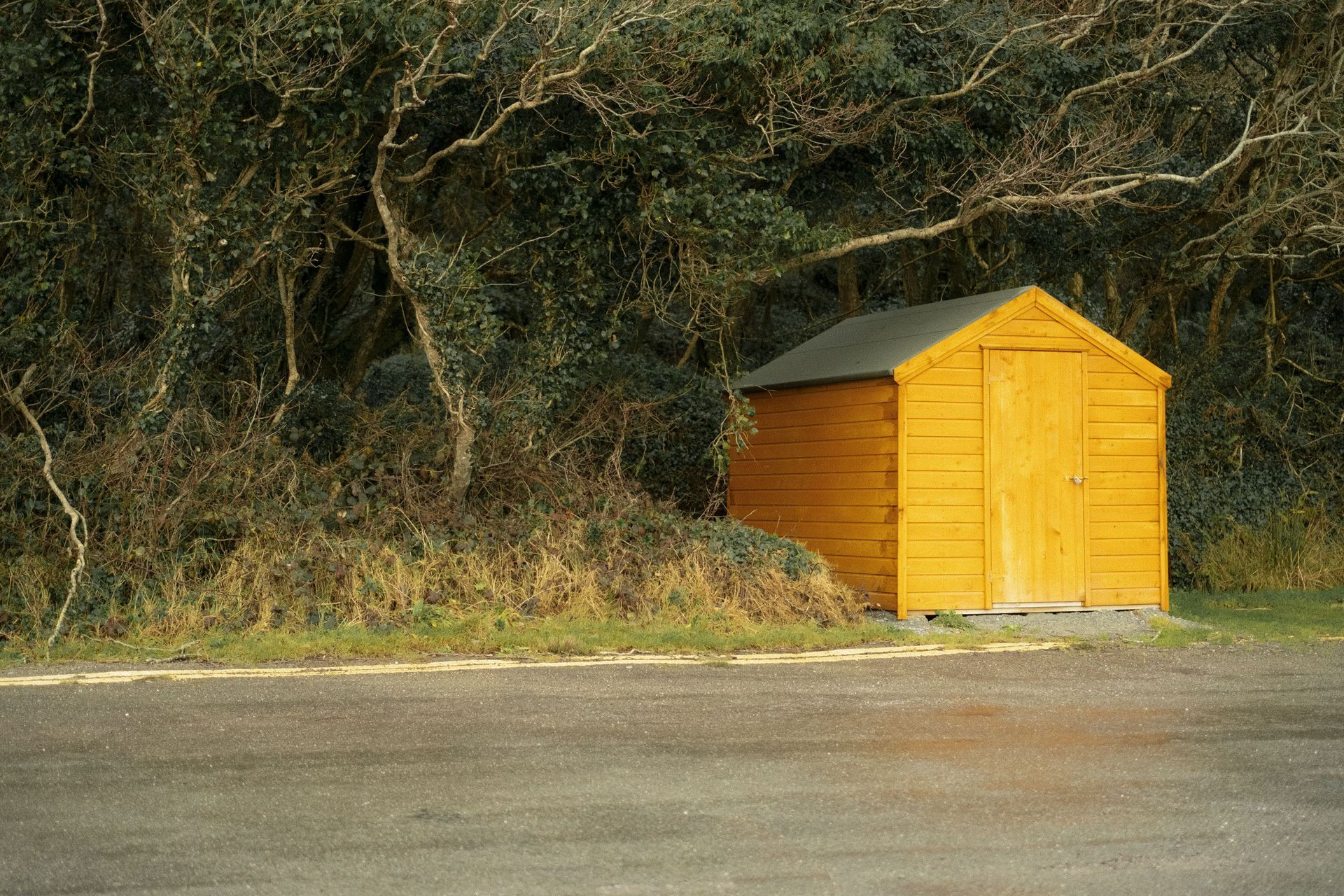
Protecting a timber garden shed in winter comes down to three jobs: keep rain out, let air move through, and stop the base and the lower boards sitting in standing water. A shed that is treated, ventilated and clear of damp ground should come through a wet season in Dublin, Kildare, Meath or Wicklow without lasting damage.
This article walks through the checks worth doing before the worst of the weather arrives, from the roof and the lower boards to the way you store things inside. If you are weighing up a wooden building against other options, our timber sheds page shows what we supply and fit.
Why Timber Sheds Suffer in an Irish Winter
Timber is a natural material that takes in and gives off moisture as the weather changes. Irish winters are long, damp and mild rather than freezing for much of the time, which means wood stays wet for weeks at a stretch. That is the condition fungal decay needs, so a small gap in the protection can turn into soft, discoloured timber by the following spring.
Most damage starts in the same few places: the roof covering, the joints where boards meet, the bottom edge of the walls and the floor frame. Water also tends to sit in the corners and along the base, where splashback from the ground keeps the wood wet long after the rain has stopped.
Moisture is also not only a problem from outside. Damp air trapped inside a closed shed condenses on cold surfaces, so poor airflow can harm the structure from within even when the roof is sound.
Checking the Roof and Felt Before the Storms
The roof takes the most punishment, so start there. On a clear dry day, look at the felt or other roof covering from a safe, stable ladder position and do not walk on the roof. You are looking for lifted edges, tears, nail heads working loose and any area where water has been pooling.
- Lifted or curling felt along the edges and at the ridge.
- Splits or blisters across the main surface of the roof.
- Sagging sections where water can collect rather than run off.
- Gaps at the eaves where wind-driven rain can get under the covering.
Small tears can be patched with roofing felt adhesive and a matching piece of felt, but a roof that is brittle or badly worn is better recovered completely. Doing this in November is far easier than doing it after a leak has soaked the boards beneath.
Gutters, Overhangs and Nearby Trees
A short length of guttering with a water butt keeps roof run-off away from the walls and the base. Overhanging branches drop leaves that hold moisture against the roof, so cut them back where you can and sweep the roof clear after windy spells.
Treating the Timber Walls and Joints
Fresh preservative or a good quality exterior wood treatment gives the outer boards a water-resistant coat. Brush it on in dry weather, work it into the joints and the end grain, and give extra attention to the lower boards and the corners. Check the product label for drying times, because treating in damp or very cold conditions stops the coat from curing properly.
- Brush off dirt, moss and any loose surface material from the boards.
- Allow the timber to dry out fully before you apply anything.
- Apply the treatment to all faces you can reach, working into joints and end grain.
- Add a second coat to the lower boards, door edges and window frames.
- Leave it to cure fully before closing the shed up for the winter.
If you notice boards that feel soft when pressed with a screwdriver tip, treat that as a sign of rot rather than a surface problem. Replacing a damaged board early is cheaper and neater than letting it spread to the framing around it.
Lifting the Shed Off Wet Ground
A timber floor or bottom rail that touches the soil will soak up water all winter. The base is the part of a wooden building most often overlooked, and it is the hardest to fix once the shed is in place. A level, well-drained base is the foundation of any shed, and the ground around it should fall away so water cannot collect against the walls.
If your shed already stands on an older base, check that water drains away from it rather than towards it. Clear soil, grass and leaf litter from around the bottom edge, and leave a clear gap so that air can circulate under and around the floor frame. Where the ground is soft, a slab or compacted stone base is a better foundation than bare earth.
Ventilation and Condensation Inside the Shed
A shed shut up tightly all winter is a damp shed. Trapped air carries moisture that settles on the roof lining, walls and anything metal stored inside. Keep any vents or gaps at the eaves clear, and open the door on dry days so the air can change.
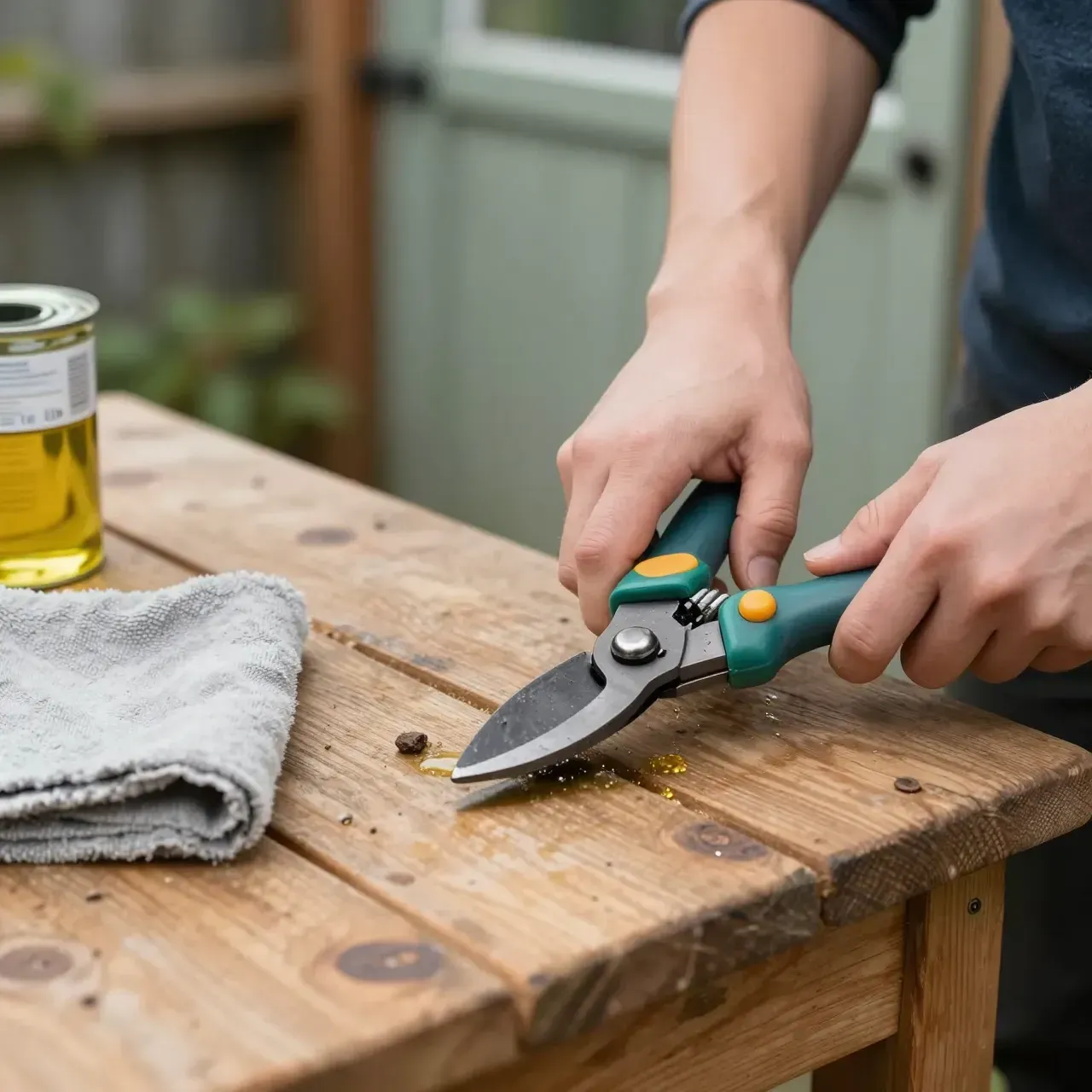
Where a shed is used for tools or machinery, condensation can also cause rust, which is a good reason to keep items off the floor and away from the walls. Mowers, batteries and hand tools also need protecting through the cold months, so keep them off the floor and wrapped or oiled.
Storing Items to Allow Airflow
Use shelves and hooks rather than stacking boxes against the walls. Keep bags of compost, fertiliser and anything damp off the timber floor, because they hold moisture against the boards and speed up decay.
Doors, Windows and Wind Damage
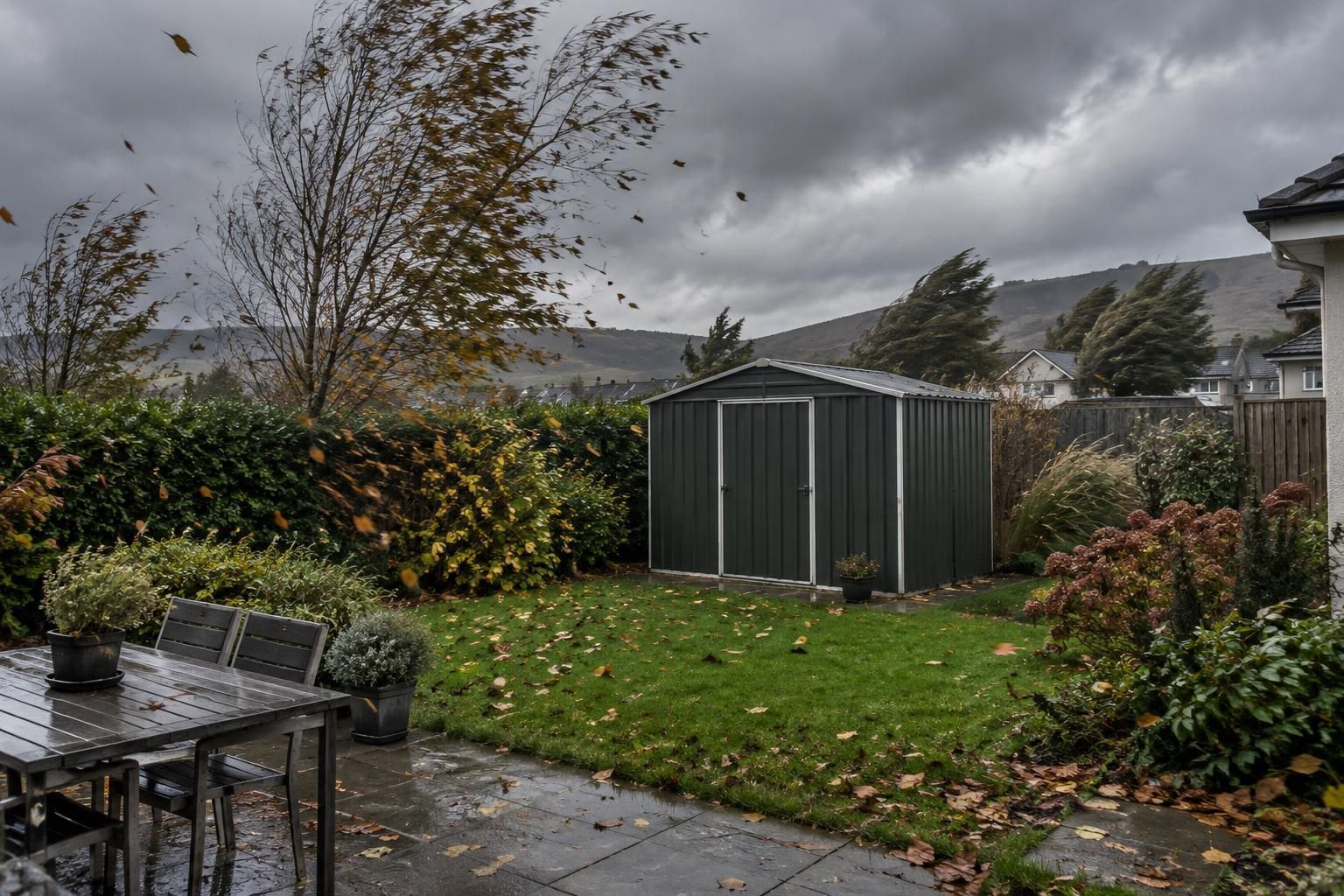
Winter wind finds loose hinges, worn latches and gaps around doors very quickly. Tighten fixings, check that the door sits square and closes firmly, and make sure any padlock or bolt is working smoothly. A door that blows open in a storm can let rain in and put strain on the frame.
Our post on preparing a garden shed for winter storms has a longer checklist for roofs, doors and bases that applies to any type of shed. If your timber shed is exposed to the prevailing wind, consider adding a windbreak such as a fence panel or hedge at a sensible distance, rather than a solid wall hard against the shed.
When a Timber Shed Is Past Its Best
Even a well looked after wooden building has a limited life in a wet climate. If the floor frame has gone soft, the roof has repeatedly leaked or the walls have started to bow, repairs may cost more than they are worth. The comparison in steel sheds vs timber sheds sets out the trade-offs between a wooden building and a low-maintenance steel one.
A Simple Winter Checklist for Timber Sheds
- Inspect and repair the roof felt, ridge and eaves.
- Re-treat the boards, joints and especially the lower edges.
- Clear soil, leaves and plants away from the base and walls.
- Keep vents open and ventilate the shed on dry days.
- Lift stored items off the floor and away from the walls.
- Check hinges, latches and the door fit.
Doing these jobs once, before the wettest months, takes a morning and usually saves a much larger repair bill later in the year.
Looking After Your Timber Shed This Winter
Protecting a timber garden shed is mostly about small, regular jobs done at the right time: a sound roof, treated boards, a dry base and some airflow. Do these across Dublin, Kildare, Meath and Wicklow and your wooden building has a much better chance of lasting many winters.
If you would like advice on looking after a timber shed or replacing an old one, contact ColourTrend Sheds on 01 467 0131 or email sales@colourtrendsheds.ie.
Recent Posts
How to Keep a Timber Shed Dry and Sound Until Spring
Protecting a timber garden shed in winter comes down to three jobs: keep rain out, let air move through, and stop the base and the lower boards sitting in standing water. A shed that is treated, ventilated and clear of damp ground should come through a wet season in Dublin, Kildare, Meath or Wicklow without lasting damage.
This article walks through the checks worth doing before the worst of the weather arrives, from the roof and the lower boards to the way you store things inside. If you are weighing up a wooden building against other options, our timber sheds page shows what we supply and fit.
Why Timber Sheds Suffer in an Irish Winter
Timber is a natural material that takes in and gives off moisture as the weather changes. Irish winters are long, damp and mild rather than freezing for much of the time, which means wood stays wet for weeks at a stretch. That is the condition fungal decay needs, so a small gap in the protection can turn into soft, discoloured timber by the following spring.
Most damage starts in the same few places: the roof covering, the joints where boards meet, the bottom edge of the walls and the floor frame. Water also tends to sit in the corners and along the base, where splashback from the ground keeps the wood wet long after the rain has stopped.
Moisture is also not only a problem from outside. Damp air trapped inside a closed shed condenses on cold surfaces, so poor airflow can harm the structure from within even when the roof is sound.
Checking the Roof and Felt Before the Storms
The roof takes the most punishment, so start there. On a clear dry day, look at the felt or other roof covering from a safe, stable ladder position and do not walk on the roof. You are looking for lifted edges, tears, nail heads working loose and any area where water has been pooling.
- Lifted or curling felt along the edges and at the ridge.
- Splits or blisters across the main surface of the roof.
- Sagging sections where water can collect rather than run off.
- Gaps at the eaves where wind-driven rain can get under the covering.
Small tears can be patched with roofing felt adhesive and a matching piece of felt, but a roof that is brittle or badly worn is better recovered completely. Doing this in November is far easier than doing it after a leak has soaked the boards beneath.
Gutters, Overhangs and Nearby Trees
A short length of guttering with a water butt keeps roof run-off away from the walls and the base. Overhanging branches drop leaves that hold moisture against the roof, so cut them back where you can and sweep the roof clear after windy spells.
Treating the Timber Walls and Joints
Fresh preservative or a good quality exterior wood treatment gives the outer boards a water-resistant coat. Brush it on in dry weather, work it into the joints and the end grain, and give extra attention to the lower boards and the corners. Check the product label for drying times, because treating in damp or very cold conditions stops the coat from curing properly.
- Brush off dirt, moss and any loose surface material from the boards.
- Allow the timber to dry out fully before you apply anything.
- Apply the treatment to all faces you can reach, working into joints and end grain.
- Add a second coat to the lower boards, door edges and window frames.
- Leave it to cure fully before closing the shed up for the winter.
If you notice boards that feel soft when pressed with a screwdriver tip, treat that as a sign of rot rather than a surface problem. Replacing a damaged board early is cheaper and neater than letting it spread to the framing around it.
Lifting the Shed Off Wet Ground
A timber floor or bottom rail that touches the soil will soak up water all winter. The base is the part of a wooden building most often overlooked, and it is the hardest to fix once the shed is in place. A level, well-drained base is the foundation of any shed, and the ground around it should fall away so water cannot collect against the walls.
If your shed already stands on an older base, check that water drains away from it rather than towards it. Clear soil, grass and leaf litter from around the bottom edge, and leave a clear gap so that air can circulate under and around the floor frame. Where the ground is soft, a slab or compacted stone base is a better foundation than bare earth.
Ventilation and Condensation Inside the Shed
A shed shut up tightly all winter is a damp shed. Trapped air carries moisture that settles on the roof lining, walls and anything metal stored inside. Keep any vents or gaps at the eaves clear, and open the door on dry days so the air can change.
Where a shed is used for tools or machinery, condensation can also cause rust, which is a good reason to keep items off the floor and away from the walls. Mowers, batteries and hand tools also need protecting through the cold months, so keep them off the floor and wrapped or oiled.
Storing Items to Allow Airflow
Use shelves and hooks rather than stacking boxes against the walls. Keep bags of compost, fertiliser and anything damp off the timber floor, because they hold moisture against the boards and speed up decay.
Doors, Windows and Wind Damage
Winter wind finds loose hinges, worn latches and gaps around doors very quickly. Tighten fixings, check that the door sits square and closes firmly, and make sure any padlock or bolt is working smoothly. A door that blows open in a storm can let rain in and put strain on the frame.
Our post on preparing a garden shed for winter storms has a longer checklist for roofs, doors and bases that applies to any type of shed. If your timber shed is exposed to the prevailing wind, consider adding a windbreak such as a fence panel or hedge at a sensible distance, rather than a solid wall hard against the shed.
When a Timber Shed Is Past Its Best
Even a well looked after wooden building has a limited life in a wet climate. If the floor frame has gone soft, the roof has repeatedly leaked or the walls have started to bow, repairs may cost more than they are worth. The comparison in steel sheds vs timber sheds sets out the trade-offs between a wooden building and a low-maintenance steel one.
A Simple Winter Checklist for Timber Sheds
- Inspect and repair the roof felt, ridge and eaves.
- Re-treat the boards, joints and especially the lower edges.
- Clear soil, leaves and plants away from the base and walls.
- Keep vents open and ventilate the shed on dry days.
- Lift stored items off the floor and away from the walls.
- Check hinges, latches and the door fit.
Doing these jobs once, before the wettest months, takes a morning and usually saves a much larger repair bill later in the year.
Looking After Your Timber Shed This Winter
Protecting a timber garden shed is mostly about small, regular jobs done at the right time: a sound roof, treated boards, a dry base and some airflow. Do these across Dublin, Kildare, Meath and Wicklow and your wooden building has a much better chance of lasting many winters.
If you would like advice on looking after a timber shed or replacing an old one, contact ColourTrend Sheds on 01 467 0131 or email sales@colourtrendsheds.ie.
